


Introduction
Cajanuscajan is one of the most important leguminous crops cultivated in tropical and subtropical regions because of its high protein content, nutritional importance, and ability to improve soil fertility through biological nitrogen fixation.1 The crop is widely grown in semi-arid regions and contributes significantly to sustainable agriculture due to its adaptability to nutrient-deficient and drought-prone soils.2 However, productivity of Cajanuscajan is often reduced by poor soil fertility, salinity, alkalinity, and phytopathogenic microorganisms. Continuous application of chemical fertilizers and pesticides to overcome these limitations has resulted in environmental pollution, soil degradation, and reduction of beneficial soil microbial diversity.3 Therefore, the development of eco-friendly and sustainable agricultural approaches has become increasingly important.
Plant growth-promoting rhizobacteria (PGPR) are beneficial microorganisms that colonize the rhizosphere and enhance plant growth through direct and indirect mechanisms.4 PGPR improve nutrient availability by solubilizing insoluble forms of phosphorus, potassium, zinc, and other essential minerals present in soil.5 They also synthesize phytohormones such as indole-3-acetic acid (IAA), gibberellins, and cytokinins that stimulate root elongation, seed germination, and overall plant growth.6 In addition, many PGPR strains produce siderophores which chelate iron and enhance its availability to plants under iron-deficient conditions.7 Certain PGPR also suppress phytopathogens through the production of hydrolytic enzymes such as chitinase, cellulase, protease, and lipase, thereby contributing to biological control and plant protection.8The rhizosphere of Cajanuscajan contains diverse microbial populations with significant plant growth-promoting activities.Rhizospheric microorganisms associated with legumes are especially important because they participate in nutrient cycling, nitrogen fixation, sulfur oxidation, and decomposition of organic matter.9Several bacterial genera including Bacillus, Pseudomonas, Rhizobium, Azotobacter, and Enterobacter have been reported from the rhizosphere of leguminous crops as effective PGPR with biofertilizer and biocontrol potential.10
The present study aimed to isolate, identify, and characterize Enterobacter cloacae B3 from the rhizosphere of Cajanuscajan and to evaluate its plant growth-promoting traits, including mineral solubilization, phytohormone and siderophore production, and hydrolytic enzyme activities, to assess its potential as a biofertilizer and biocontrol agent. The bacterial isolate B3 obtained from the rhizosphere of Cajanuscajan was characterized for its morphological, physiological, biochemical, molecular, and plant growth-promoting properties. Molecular identification based on 16S rRNA gene sequencing confirmed the isolate as Enterobactercloacae B3. The isolate exhibited multiple PGPR traits including phosphate, potassium, zinc, and magnesium solubilization, sulfur oxidation, siderophore production, IAA production, and hydrolytic enzyme activities, indicating its potential use as a biofertilizer and biocontrol agent for sustainable agriculture.
Materials and Methods
Isolation of rhizospheric bacterial isolate
Rhizospheric soil samples were collected from healthy roots of Cajanuscajan cultivated under natural field conditions. The soil adhering to the root surface was carefully collected in sterile polythene bags and transported to the laboratory for microbial analysis. Serial dilution technique was performed using sterile distilled water, and aliquots from appropriate dilutions were spread on nutrient agar medium followed by incubation at 37°C for 24–48 h. Distinct bacterial colonies were selected based on colony morphology, purified by repeated streaking, and maintained on nutrient agar slants at 4°C for further characterization. Similar procedures for isolation of PGPR from rhizosphere soils have been widely used in earlier studies.4,11
Morphological characterization
Morphological characterization of bacterial isolate B3 was carried out based on Gram staining, cell shape, cell size, spore formation, and motility. Gram staining was performed according to standard microbiological procedures to determine Gram reaction and cellular morphology under oil immersion microscopy. Cell dimensions were measured microscopically using a calibrated ocular micrometer. Motility of the isolate was examined by hanging drop method, while spore staining was carried out to determine endospore formation. Morphological characterization methods were performed according to Bergey’s Manual of Determinative Bacteriology and standard microbiological protocols.12
Physiological characterization
Physiological characterization of isolate B3 was carried out by evaluating growth under different pH, temperature, and salinity conditions. For pH tolerance studies, the isolate was inoculated into nutrient broth adjusted to pH values ranging from 7 to 12 and incubated at 37°C. Temperature tolerance was determined by incubating inoculated media at 37°C, 45°C, 50°C, and 55°C. Salt tolerance was examined by growing the isolate in nutrient broth supplemented with different NaCl concentrations ranging from 1% to 7%. Growth was observed after incubation based on turbidity development in the medium. Similar methods for physiological characterization of PGPR have been described by Aneja.13
Biochemical characterization
Biochemical characterization of isolate B3 included catalase test, oxidase test, indole test, methyl red test, Voges–Proskauer test, citrate utilization test, urease test, nitrate reduction test, and carbohydrate utilization assays. Catalase activity was determined by observing oxygen bubble formation after addition of hydrogen peroxide. Oxidase activity was tested using oxidase reagent. Indole production, methyl red, and Voges–Proskauer tests were performed using MR-VP broth. Citrate utilization was examined on Simmons citrate agar, while urease activity was determined using Christensen’s urea agar medium. Nitrate reduction test was performed using nitrate broth followed by addition of nitrate reagents. Carbohydrate utilization studies were carried out using different sugars including glucose, sucrose, lactose, mannitol, arabinose, raffinose, galactose, trehalose, sorbitol, maltose, fructose, salicin, and cellobiose. Standard microbiological procedures described by Cappuccino and Sherman11were followed for biochemical characterization.
Molecular characterization and phylogenetic analysis
Genomic DNA of isolate B3 was extracted using standard bacterial DNA isolation methods. Amplification of the 16S rRNA gene was carried out using universal bacterial primers through polymerase chain reaction (PCR). The amplified PCR product was purified and sequenced commercially. The obtained sequence was compared with available sequences in the NCBI GenBank database using BLAST analysis for identification of the isolate. Phylogenetic analysis was performed using aligned 16S rRNA gene sequences to determine the evolutionary relationship of isolate B3 with closely related bacterial taxa. The phylogenetic tree was constructed using suitable bioinformatics software based on neighbor-joining methods with bootstrap analysis. Molecular characterization methods were based on protocols described by Lane14and Tamura et al.15 The 16S rRNA gene sequence was deposited in the GenBank database under accession number PZ369856.
Screening of plant growth-promoting traits
Phosphate solubilization activity
Phosphate solubilization activity of isolate B3 was evaluated on Pikovskaya’s agar medium supplemented with insoluble tricalcium phosphate. The isolate was spot inoculated on the agar surface and incubated at 37°C for several days. Formation of a clear halo zone around the colony indicated phosphate solubilization ability. The diameter of the solubilization zone was measured in millimeters. The method described by Pikovskaya16was followed.
Potassium solubilization activity
Potassium solubilization activity was determined using Aleksandrov medium containing insoluble potassium mineral sources. The isolate was inoculated onto the medium and incubated under suitable conditions. Clear zone formation around bacterial colonies indicated potassium solubilization capacity. Similar methods have been described by Hu et al.17
Zinc solubilization activity
Zinc solubilization activity was evaluated using mineral salt agar medium supplemented with insoluble zinc compounds such as zinc oxide or zinc carbonate. Halo zone formation around bacterial growth indicated zinc solubilization potential. The diameter of the zone was recorded after incubation.18
Magnesium-solubilizing activity
Magnesium-solubilizing activity of isolate B3 was assessed using mineral salt agar medium supplemented with insoluble magnesium compounds such as magnesium oxide (MgO) or magnesium carbonate (MgCO₃). The isolate was spot inoculated onto the medium and incubated at 37°C for several days. The appearance of a clear halo zone around the bacterial colony indicated magnesium solubilization. The diameter of the halo zone was measured in millimeters, and magnesium solubilization efficiency was determined.
Sulfur oxidation activity
Sulfur oxidation ability of isolate B3 was determined using sulfur-containing medium. The isolate was inoculated into the medium and incubated under appropriate conditions. Sulfur oxidation was observed based on changes in medium characteristics and zone formation around colonies, indicating conversion of elemental sulfur into sulfate.19
Siderophore production
Siderophore production was detected using Chrome Azurol S (CAS) agar medium. The isolate was spot inoculated and incubated at 37°C. Development of orange or yellow zones around colonies indicated siderophore production due to iron chelation activity. The method described by Schwyn and Neilands.20
Indole-3-acetic acid (IAA) production
IAA production by isolate B3 was determined by growing the bacterium in nutrient broth supplemented with tryptophan. After incubation, culture supernatant was mixed with Salkowski reagent, and development of pink coloration indicated IAA production. Quantitative estimation was measuredspectrophotometrically following the method of Gordon and Weber.21
Enzymatic activities
Enzymatic activities of isolate B3 were evaluated for chitinase, cellulase, amylase, lipase, and protease production using specific culture media. Chitinase activity was determined using colloidal chitin agar medium, where clear zone formation around bacterial colonies after incubation indicated degradation of chitin. Cellulase activity was evaluated on carboxymethyl cellulose agar medium, and after incubation the plates were flooded with Congo red solution followed by NaCl washing, where clear halos around colonies confirmed cellulase production. Amylase activity was determined using starch agar medium, and the addition of iodine solution after incubation revealed clear zones around bacterial growth indicating starch hydrolysis. Lipase activity was tested on tributyrin agar medium, where formation of transparent halos around colonies indicated lipid hydrolysis and positive lipase activity. Protease production was evaluated using skim milk agar medium, and clear zone formation around colonies indicated casein hydrolysis and protease production. All enzymatic assays were performed according to standard protocols.11,22
Replication and Controls: All experiments were performed in triplicate, and appropriate positive and negative controls were included for each assay. The mean values and standard deviations were calculated from three independent experiments
Statistical Analysis: Experimental data were analyzed using appropriate statistical methods. Results are presented as mean ± standard deviation (SD). Significant differences among treatments were evaluated using one-way analysis of variance (ANOVA) followed by a suitable post hoc test at a significance level of p< 0.05.
Results and Discussion
Morphological, physiological, and biochemical characteristics of bacterial isolate B3
The bacterial isolate B3 was characterized as Gram-negative, Morphologically, the cells were rod-shaped with an approximate size of 4 µm in length and 0.4 µm in width, reflecting a typical bacillary structure commonly associated with soil-dwelling bacteria. The organism was motile, indicating the presence of flagella, which likely contributed to its ability to actively move, colonize surfaces, and adapt efficiently within its ecological niche.
Table 1: Morphological, physiological, and biochemical characteristics of bacterial isolate B3
|
Gram character |
– |
Growth at pH 8 |
+ |
Catalase |
+ |
Lactose |
+ |
|
Shape of Bacteria |
Rod |
Growth at pH 9 |
+ |
Oxidase |
– |
Sucrose |
+ |
|
Size of Bacteria (Length (um) |
4 |
Growth at pH 10 |
+ |
Indol |
– |
Xylose |
– |
|
Size of Bacteria (Width (um) |
0.4 |
Growth at pH 12 |
+ |
MR |
– |
Cellobiose |
+ |
|
Spore bearing |
– |
Growth at 1% NaCl |
+ |
VP |
+ |
Fructose |
– |
|
Motility |
Motile |
Growth at 2% NaCl |
+ |
Citrate |
+ |
Sorbitol |
+ |
|
Growth at 37º C |
+ |
Growth at 3% NaCl |
+ |
Urease |
– |
Trehalose |
+ |
|
Growth at 45º C |
+ |
Growth at 4% NaCl |
+ |
Nitrate |
+ |
Raffinose |
+ |
|
Growth at 50º C |
+ |
Growth at 5% NaCl |
+ |
Glucose |
+ |
Galactose |
+ |
|
Growth at 55º C |
– |
Growth at 6% NaCl |
– |
Mannitol |
+ |
Maltose |
– |
|
Growth at pH 7 |
+ |
Growth at 7% NaCl |
– |
Arabinose |
+ |
Salicin |
+ |
Biochemically, isolate B3 displayed a versatile metabolic profile. It was catalase positive, which indicates its ability to decompose hydrogen peroxide into water and oxygen, thereby protecting the cells from oxidative damage. The isolate was also oxidase positive, suggesting the presence of cytochrome c oxidase in its electron transport chain and supporting an aerobic mode of respiration. It was negative for indole production, indicating that it lacked the ability to degrade tryptophan into indole and methyl red. Interestingly, the isolate tested positive for Voges–Proskauer reactions, which suggests metabolic flexibility and the potential to produce both mixed acid and neutral fermentation end products under different conditions. The organism was citrate positive, demonstrating its ability to utilize citrate as a sole carbon source, but urease negative, indicating that it could not hydrolyze urea. The nitrate reduction test was also positive, suggesting that it did reduce nitrate to nitrite and likely did use nitrate as an alternative electron acceptor.
The carbohydrate utilization pattern of isolate B3 indicated a comparatively broad and diverse metabolic capability. The organism was able to utilize several carbohydrates, including sucrose, cellobiose, sorbitol, trehalose, glucose, galactose, mannitol, arabinose, and salicin, demonstrating the presence of multiple enzymatic pathways for carbohydrate metabolism. This ability to metabolize a wide range of sugars suggests that the organism is metabolically versatile and capable of adapting to different nutrient sources in its environment. However, it did not utilize lactose, xylose, fructose, raffinose, or maltose, indicating selective substrate utilization and possible absence of specific enzymes required for their metabolism. The combination of both positive and negative carbohydrate reactions highlights a defined but flexible metabolic system.
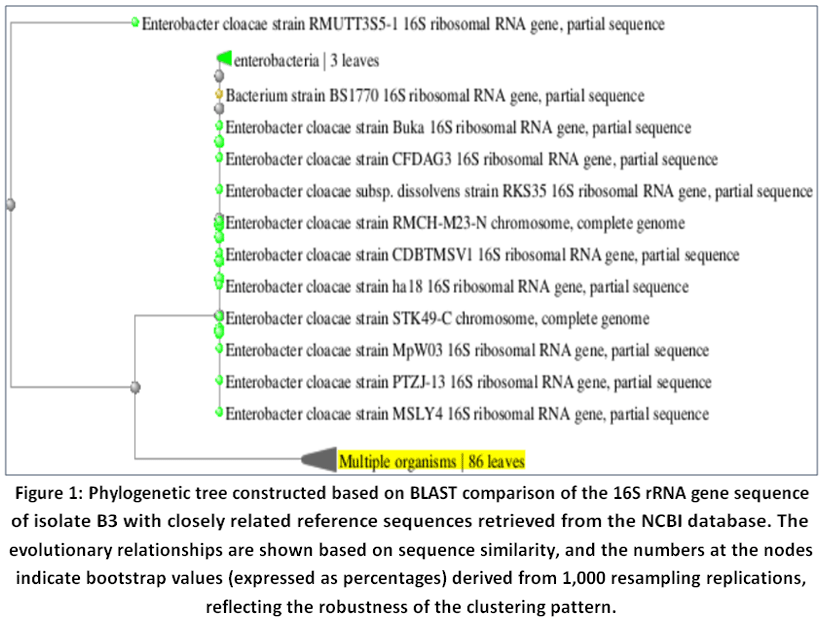 |
Figure 1: Phylogenetic tree constructed based on BLAST comparison of the 16S rRNA gene sequence of isolate B3 with closely related reference sequences retrieved from the NCBI database. The evolutionary relationships are shown based on sequence similarity, and the numbers at the nodes indicate bootstrap values (expressed as percentages) derived from 1,000 resampling replications, reflecting the robustness of the clustering pattern. |
The phylogenetic tree segment illustrates a well-defined clustering of bacterial sequences based on 16S rRNA gene analysis, where the majority of the taxa belong to the genus Enterobacter, particularly Enterobacter cloacae. The sequences such as Enterobacter cloacae strains RMUTT3S5-1, Buka, CFDAG3, RKS35, RMCH-M23-N, CDBTMSV1, ha18, STK49-C, MpW03, PTZJ-13, and MSLY4 are tightly grouped together, indicating a high degree of genetic similarity among them. This close clustering suggests that these strains share a recent common ancestor and exhibit minimal sequence divergence, which is further supported by the short branch lengths observed between them. The inclusion of both partial 16S rRNA gene sequences and complete genome data, such as in strains RMCH-M23-N and STK49-C, strengthens the reliability of the phylogenetic relationship and confirms their taxonomic identity within the same species.
A small subgroup labeled as enterobacteria with three leaves appears near the top of the cluster, representing a minor clade that includes a few related sequences, possibly reflecting slight genetic variation or incomplete classification. Additionally, the presence of a sequence labeled as Bacterium strain BS1770 within the cluster suggests that it may be an uncharacterized or less well-defined member of the Enterobacter group, showing sufficient similarity to be placed within this lineage.
The plant growth-promoting (PGPR) activities of isolate Enterobacter cloacae B3, including phosphate, potassium, zinc, and magnesium solubilization, and hydrolytic enzyme activities (chitinase, cellulase, amylase, lipase, and protease), were quantitatively assessed. All experiments were performed in triplicate (n = 3), and the results are expressed as mean ± standard deviation (SD). Considerable variation was observed among different PGPR traits, with zinc and phosphate solubilization showing comparatively higher activity, whereas magnesium solubilization and certain enzymatic activities exhibited moderate responses. Statistical analysis using one-way ANOVA indicated significant differences among the evaluated PGPR traits (p< 0.05). Post hoc comparison further confirmed that solubilization activities and enzyme production varied significantly depending on the substrate and metabolic capability of the isolate. These results demonstrate the multifunctional plant growth-promoting potential of isolate B3 under in vitro conditions. Similar findings were reported where multifunctional PGPR strains enhanced nutrient availability and improved plant growth.23,24The high sulfur oxidation observed in Enterobacter cloacae B3 indicated its role in converting elemental sulfur into sulfate, which is essential for plant metabolism and protein synthesis, supporting earlier reports on nutrient cycling by PGPR.25 The isolate also demonstrated considerable siderophore production, indicating its ability to chelate iron and enhance its availability under limiting conditions. This finding was in agreement with previous studies that highlighted the role of siderophore-producing bacteria in improving micronutrient uptake and plant growth.26Furthermore, the presence of indole-3-acetic acid (IAA) production suggested that Enterobacter cloacae B3 could stimulate root elongation and development, which is a key mechanism of PGPR activity.27
Discussion
The present study confirmed the identity of isolate B3 as Enterobacter cloacae through 16S rRNA gene sequence analysis, with phylogenetic clustering showing a close relationship to other E. cloacae strains and minimal sequence divergence. This close genetic relationship supports the taxonomic reliability of the isolate and is consistent with previous studies demonstrating the usefulness of 16S rRNA gene sequencing for bacterial identification and phylogenetic characterization.28,29 Functionally, E. cloacae B3 exhibited multiple plant growth-promoting traits, including phosphate, potassium, zinc, and magnesium solubilization, along with the production of hydrolytic enzymes such as chitinase, cellulase, amylase, lipase, and protease. The significant differences (p < 0.05) observed among these PGPR traits indicate the diverse metabolic capabilities of the isolate, with comparatively higher phosphate and zinc solubilization suggesting its potential to enhance nutrient availability and improve soil fertility.30,31
In addition to nutrient solubilization, E. cloacae B3 demonstrated high sulfur oxidation, siderophore production, and indole-3-acetic acid (IAA) synthesis, highlighting its multifunctional role in promoting plant growth. Sulfur oxidation contributes to the conversion of elemental sulfur into plant-available sulfate, while siderophore production enhances iron acquisition and may suppress phytopathogens through competitive iron sequestrationv.7 The production of IAA further supports root elongation and nutrient uptake, thereby improving plant growth and development.32,34 Collectively, these findings indicate that E. cloacae B3 possesses multiple complementary mechanisms that can improve nutrient cycling, stimulate plant growth, and potentially reduce dependence on chemical fertilizers. However, greenhouse and field studies are necessary to validate its effectiveness under natural agricultural conditions and to assess its suitability as a biofertilizer for sustainable crop production.
Conclusion
The present study demonstrated that bacterial isolate B3 obtained from the rhizosphere of Cajanuscajan possessed significant plant growth-promoting and biocontrol potential. Morphological, physiological, biochemical, and molecular characterization confirmed the isolate as Enterobactercloacae B3. Phylogenetic analysis based on 16S rRNA gene sequencing confirmed close genetic relatedness of the isolate with other Enterobacter cloacae strains, validating its taxonomic identification. The multifunctional characteristics of Enterobactercloacae B3 indicate that it can serve as an efficient biofertilizer and biocontrol agent for sustainable agriculture. The combined abilities of nutrient solubilization, phytohormone production, stress tolerance, and hydrolytic enzyme secretion suggest that the isolate may contribute significantly to soil fertility improvement, enhanced crop productivity, and reduction in chemical fertilizer dependency. The present study demonstrated that Enterobacter cloacae B3, isolated from the rhizosphere of Cajanuscajan, possesses multiple plant growth-promoting traits, including phosphate, zinc, potassium, and magnesium solubilization, IAA and siderophore production, and the secretion of hydrolytic enzymes. These characteristics indicate its potential role in enhancing nutrient availability and plant growth under laboratory conditions.
Acknowledgement
The author would like to thank Principal Shri shivajiMahavidyalaya, Barshi granting this research work.
Funding Sources
The author(s) received no financial support for the research, authorship, and/or publication of this article.
Conflict of Interest
The authors do not have any conflict of interest.
Data Availability Statement
This statement does not apply to this article.
Ethics Statemen
This research did not involve human participants, animal subjects, or any material that requires ethical approval.
Informed Consent Statement
This study did not involve human participants, and therefore, informed consent was not required.
Clinical Trial Registration
This research does not involve any clinical trials.
Author Contributions
The authors were responsible for the conceptualization, methodology, data collection, analysis, writing, and final approval of the manuscript.
References
- Saxena KB, Kumar RV, Rao PV. Pigeonpea nutrition and its improvement. Journal of Crop Production. 2002;5(1-2):227-260.
CrossRef - Varshney RK, Chen W, Li Y, et al. Draft genome sequence of pigeonpea (Cajanuscajan), an orphan legume crop of resource-poor farmers. Nature Biotechnology. 2012;30:83-89.
CrossRef - Vessey JK. Plant growth promoting rhizobacteria as biofertilizers. Plant and Soil. 2003;255:571-586.
CrossRef - Kloepper JW, Schroth MN. Plant growth-promoting rhizobacteria on radishes. In: Proceedings of the 4th International Conference on Plant Pathogenic Bacteria. Vol 2; 1978:879-882.
- Sharma SB, Sayyed RZ, Trivedi MH, Gobi TA. Phosphate solubilizing microbes: sustainable approach for managing phosphorus deficiency in agricultural soils. SpringerPlus. 2013;2:587.
CrossRef - Glick BR. Plant growth-promoting bacteria: mechanisms and applications. Scientifica. 2012;2012:1-15.
CrossRef - Ahmed E, Holmström SJM. Siderophores in environmental research: roles and applications. Microbial Biotechnology. 2014;7(3):196-208.
CrossRef - Lugtenberg B, Kamilova F. Plant-growth-promoting rhizobacteria. Annual Review of Microbiology. 2009;63:541-556.
CrossRef - Bhattacharyya PN, Jha DK. Plant growth-promoting rhizobacteria (PGPR): emergence in agriculture. World Journal of Microbiology and Biotechnology. 2012;28:1327-1350.
CrossRef - Ahemad M, Kibret M. Mechanisms and applications of plant growth promoting rhizobacteria: current perspective. Journal of King Saud University–Science. 2014;26(1):1-20.
CrossRef - Cappuccino JG, Sherman N. Microbiology: A Laboratory Manual. Pearson Education; 2014.
- Holt JG, Krieg NR, Sneath PHA, Staley JT, Williams ST. Bergey’s Manual of Determinative Bacteriology. Williams and Wilkins; 1994.
- Aneja KR. Experiments in Microbiology, Plant Pathology and Biotechnology. New Age International Publishers; 2003.
- Lane DJ. 16S/23S rRNA sequencing. In: Stackebrandt E, Goodfellow M, eds. Nucleic Acid Techniques in Bacterial Systematics. John Wiley and Sons; 1991:115-175.
- Tamura K, Stecher G, Kumar S. MEGA11: Molecular Evolutionary Genetics Analysis version 11. Molecular Biology and Evolution. 2021;38:3022-3027.
CrossRef - Pikovskaya RI. Mobilization of phosphorus in soil in connection with the vital activity of some microbial species. Microbiologiya. 1948;17:362-370.
- Hu X, Chen J, Guo J. Two phosphate- and potassium-solubilizing bacteria isolated from Tianmu Mountain, Zhejiang, China. World Journal of Microbiology and Biotechnology. 2006;22:983-990.
CrossRef - Fasim F, Ahmed N, Parsons R, Gadd GM. Solubilization of zinc salts by a bacterium isolated from agricultural soil. International Journal of Environmental Studies. 2002;59:267-277.
- Starkey RL. Products of the oxidation of thiosulfate by bacteria in mineral media. Journal of General Physiology. 1935;18:325-349.
CrossRef - Schwyn B, Neilands JB. Universal chemical assay for the detection and determination of siderophores. Analytical Biochemistry. 1987;160:47-56.
CrossRef - Gordon SA, Weber RP. Colorimetric estimation of indoleacetic acid. Plant Physiology. 1951;26:192-195.
CrossRef - Hankin L, Anagnostakis SL. The use of solid media for detection of enzyme production by fungi. Mycologia. 1975;67:597-607.
CrossRef - Hernández-Amador E, Montesdeoca-Flores DT, Abreu-Acosta N, Luis-Jorge JC. Effects of rhizobacteria strains on plant growth promotion in tomatoes (Solanumlycopersicum). Plants. 2024;13(23):3280. doi:10.3390/plants13233280
CrossRef - Swarnalakshmi K, Yadav V, Tyagi D, et al. Significance of plant growth promoting rhizobacteria in grain legumes: growth promotion and crop production. Plants. 2020;9(11):1596. doi:10.3390/plants9111596
CrossRef - Pereira SIA, Abreu D, Moreira H, Vega A, Castro PML. Plant growth-promoting rhizobacteria improve the growth and nutrient use efficiency in maize (Zea mays L.) under water deficit conditions. Ecology and Evolution. 2020;10(6):e05106.
CrossRef - Zeffa DM, Fantin LH, Koltun A, et al. Effects of plant growth-promoting rhizobacteria on co-inoculation with Bradyrhizobium in soybean crop: a meta-analysis of studies from 1987 to 2018. PeerJ. 2020;8:e7905. doi:10.7717/peerj.7905
CrossRef - Lee S, Kim YK, Nie H, et al. Functional characterization of a novel plant growth-promoting rhizobacterium enhancing root growth and salt stress tolerance. Scientific Reports. 2025;15:30405.
CrossRef - Marinković J, Miljaković D, Červenski J, et al. Synergistic effect of PGPR and nutrient complex on soybean seed germination and initial seedling growth. Agriculture. 2025;15(19):2022. doi:10.3390/agriculture15192022
CrossRef - Vacheron J, Desbrosses G, Bouffaud ML, et al. Plant growth-promoting rhizobacteria and root system functioning. Frontiers in Plant Science. 2013;4:356. doi:10.3389/fpls.2013.00356
CrossRef - Janda, J. M., & Abbott, S. L. (2007). 16S rRNA gene sequencing for bacterial identification in the diagnostic laboratory. Journal of Clinical Microbiology, 45(9), 2761–2764.
CrossRef - Weisburg, W. G., Barns, S. M., Pelletier, D. A., & Lane, D. J. (1991). 16S ribosomal DNA amplification for phylogenetic study. Journal of Bacteriology, 173(2), 697–703.
CrossRef - Rodríguez, H., &Fraga, R. (1999). Phosphate solubilizing bacteria and their role in plant growth promotion. Biotechnology Advances, 17(4–5), 319–339.
CrossRef - Saravanan, V. S., Madhaiyan, M., &Thangaraju, M. (2007). Solubilization of zinc compounds by Gluconacetobacterdiazotrophicus and its implications in zinc bioavailability. Microbiological Research, 162(4), 379–386.
- Spaepen, S., Vanderleyden, J., &Remans, R. (2007). Indole-3-acetic acid in microbial and microorganism–plant signaling. FEMS Microbiology Reviews, 31(4), 425–448.
CrossRef