


 PDF Downloads:
613
PDF Downloads:
613


Introduction
Pesticide application continues to be a central part of contemporary agriculture, with organophosphate chemicals such as chlorpyrifos (CPF) being among the most commonly applied because of their efficacy against a wide range of pests.1 Nevertheless, extensive and unregulated use of such chemicals has resulted in tremendous ecological impacts, such as bioaccumulation, soil pollution, groundwater pollution, and toxic impacts on non-target organisms including humans.2,3
Chlorpyrifos is moderately persistent in the environment and can break down into toxic degradation products such as 3,5,6-trichloro-2-pyridinol (TCP), which is more water-soluble and stable than its parent.2 Microbial degradation has become a popular and low-cost method of detoxifying CPF-contaminated environments. Many bacterial strains cultured from CPF-polluted soils have been reported to possess efficient degradation potential.4,5
This review integrates recent studies on microbial degradation of CPF with emphasis on isolation and biochemical characterization of competent strains, mechanisms of degradation, and practical relevance to bioremediation.
Chlorpyrifos in Agriculture: Use and Environmental Impact
Chlorpyrifos is a general insecticide that is often utilized in the management of foliage and soil-borne insects on various crops such as cotton, maize, vegetables, and fruits.1 It acts by inhibiting the enzyme acetylcholinesterase, an enzyme involved in nerve function of insects and vertebrates.6
Although its application has decreased in some nations as a result of regulatory limitations, it is still common in most developing countries. CPF’s fate in the environment is multifaceted and determined by soil pH, water content, temperature, and microbial structure.7 CPF residues have been detected in surface and groundwater, and in foodstuffs, prompting worldwide concern regarding long-term exposure.8
Microbial remediation becomes a primary tool not only to lower CPF environmental levels but also to recover soil quality and biodiversity negatively impacted by long-term pesticide application.9,10
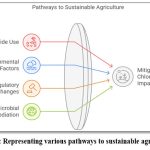 |
Figure 1: Representing various pathways to sustainable agriculture. |
Microbial Biodegradation of Chlorpyrifos
Biodegradation is defined as the degradation of pollutants by microbial enzymatic action, degrading toxic substances to less toxic or inert end products.2 Soil microorganisms, especially bacteria and fungi, have the potential to utilize CPF as a carbon or phosphorus source.
Major microbial genera involved are:
Pseudomonas11,12
Bacillus13,14
Staphylococcus4
Alcaligenes15
Enterobacter and Klebsiella16
The efficiency of degradation usually relies on strain-specific enzymatic action, environmental conditions, and gene regulation. Hydrolases, oxidoreductases, and phosphatases are the enzymes produced by these organisms to act on CPF’s chemical composition, causing detoxification.13
 |
Figure 2: Representing Microbial Biodegradation of Chlorpyrifos. |
Isolation of Chlorpyrifos-Degrading Microorganisms
The isolation of CPF-degrading microbes is usually achieved through sampling from polluted agricultural soils and subsequent enrichment and screening methods. Enrichment cultures are established in minimal salt media with CPF as the only carbon or phosphorus source to enrich for organisms that can utilize the compound.17,18
Sumanet al., isolated Staphylococcus aureus from CPF-contaminated soil by using CPF-supplemented mineral salts medium successfully.4 LikewiseAswathiet al., isolated Pseudomonas nitroreducens AR-3 with CPF degradation capability at a fast rate.19
Other significant isolations are:
Pseudomonas stutzeri from pesticide-contaminated soil20
Bacillus cereus MCAS02 from Indian crop fields21
Alcaligenesfaecalis from oil-contaminated areas15
Bacillus H27 was isolated and identified as highly efficient CPF degrader13
A few researchers used metagenomic techniques to detect CPF degradation-related functional genes without needing to isolate pure cultures.22 Cultivation-independent this technique provides further insight into contaminated soil complex microbiomes.
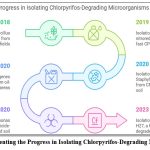 |
Figure 3: Representing the Progress in Isolating Chlorpyrifos-Degrading Microorganisms. |
Characterization of Isolated Microbes
After microbial strains that can biodegrade chlorpyrifos (CPF) have been isolated from farmland soils, it is necessary to comprehensively characterize them to identify their taxonomic position and determine their potential for biodegradation. Characterization generally involves phenotypic, biochemical, and molecular tests.
Phenotypic and Biochemical Tests
Phenotypic characterization is the examination of colony morphology, cell shape, motility, and Gram staining, yielding preliminary insight into microbial identity. Biochemical assays also test for metabolic functions, such as catalase and oxidase activity, nitrate reduction, and carbohydrate fermentation. Direct applicability to CPF degradation are enzymatic assays for esterase and phosphatase, given that these enzymes are involved in the hydrolysis of CPF to its intermediate 3,5,6-trichloro-2-pyridinol (TCP).23,24 Studies indicated high esterase activity in CPF-degrading Pseudomonas and Bacillus strains, validating their involvement in primary pesticide degradation.
Molecular Identification
For precise identification, 16S rRNA gene sequencing is used in most studies. This technique enables accurate identification of isolates to the species level.Sumanet al., used 16S rRNA sequencing and sequence alignment software to identify their CPF-degrading isolate as Staphylococcus aureus.4 LikewiseLaing et al., employed PCR amplification and sequencing to identify CPF-degrading isolates as Pseudomonas, Bacillus, and Rhodococcus genera.25
Whole Genome Sequencing and Genomic Insights
Genomic advances have made it possible to carry out extensive studies of microbial CPF degradation pathways. Liu performed whole-genome sequencing of Bacillus sp. H27, which uncovered multiple gene clusters related to CPF hydrolysis and TCP degradation, such as the opd (organophosphorus hydrolase), arylest (arylesterase), and tcpA genes. These genes encode enzymatic pathways responsible for detoxifying CPF and mineralizing TCP, providing information on the molecular machinery involved in bioremediation. These genomic studies give promising targets for genetic engineering and synthetic biology strategies to improve biodegradation efficiency in polluted environments.13
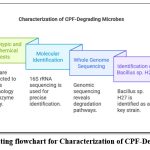 |
Figure 4: Representing flowchart for Characterization of CPF-Degrading Microbes. |
Degradation Pathways and Metabolites
Microbial breakdown of chlorpyrifos (CPF) comprises a sequence of biochemical processes converting the parent compound into less harmful or non-harmful metabolites. The biodegradation typically takes place through two main mechanisms:
Enzymatic hydrolysis of CPF to 3,5,6-trichloro-2-pyridinol (TCP) and diethyl thiophosphoric acid (DETP), and
Secondary degradation and mineralization of TCP to innocuous end-products like carbon dioxide and water.
The first step in CPF degradation involves hydrolytic cleavage of the phosphorus–oxygen (P–O–aryl) bond. This key reaction is catalyzed by particular enzymes such as organophosphorus hydrolases (OPHs), arylesterases, and monooxygenases that are secreted by some bacteria in the soil. These enzymes transform CPF to intermediate metabolites like TCP and DETP, both of which are much less toxic than the parent compound.
Ambreen, isolated Bacillus thuringiensis MB497, which showed the ability to degrade CPF and its major metabolite TCP, thereby resulting in complete mineralization.26 Likewise, Pseudomonas nitroreducens AR-3, characterized by the ability to degrade CPF rapidly and attained complete breakdown of TCP within 48 hours under favorable lab conditions, which indicates its effectiveness for efficient soil bioremediation.27
Characterized intermediate and terminal metabolites from several studies are:
TCP
DETP
3,6-dichloro-2-pyridinol
Carbon dioxide (CO₂) – indicative of complete mineralization
To explain the degradation pathway and validate the transformation of CPF and its intermediates, analytical methods like gas chromatography-mass spectrometry (GC-MS) and liquid chromatography-mass spectrometry (LC-MS) are usually utilized. These instruments have been used to trace the entire process of degradation, as exemplified in the genomic and metabolomic research.13,2 This mechanistic information is crucial in creating effective bio-based CPF remediation technologies.
Environmental and Operational Factors Affecting Biodegradation
Soil microorganism-induced efficiency of chlorpyrifos (CPF) biodegradation depends considerably on several environmental and operating factors. Such factors can act either to stimulate or suppress microbial growth and corresponding enzymatic processes responsible for pesticide degradation.
Soil pH and Temperature
Soil pH is essential for microbial metabolism and stability of enzymes. Degradation of CPF is usually favored in slightly alkaline to neutral soils (pH 6.5–8.0) because most CPF-degrading bacteria show maximum enzymatic activity under such conditions. It has been noted maximum CPF degradation by Bacillus and Pseudomonas species under such pH conditions.7,20 Likewise, microbial growth rates and enzyme functions are influenced by temperature. The best temperature for CPF-degrading microorganisms is usually between 25°C and 35°C, above which degradation efficiency is reduced due to enzyme denaturation or microbial stress.
Moisture Content and Organic Matter
Sufficient moisture is required to sustain microbial activity and solubilize CPF, thus enhancing its bioavailability. More CPF degradation has been recorded when moist conditions were applied.28,29 Additionally, organic amendments such as compost, manure, and biochar are not only nutrient supplies but also microbial diversity and biomass promoters, thus speeding up biodegradation processes.17
Pesticide Concentration
While low to moderate CPF levels will induce microbial breakdown, very high concentrations may prove toxic to the microflora in soil by inhibiting enzyme activity. Still, certain heavy-duty strains like Bacillus cereus and Pseudomonas putida were resistant to very high CPF concentrations and such strains can be used in highly contaminated environments.21,12
Presence of Co-contaminants
Other pesticides or contaminants may affect CPF degradation by competitive inhibition or co-metabolism. Changed degradation kinetics has been illustrated in the presence of co-contaminants, highlighting the increased complexity of natural bioremediation environments.29,16
Immobilization and Bioaugmentation
Operational tactics including microbial immobilization onto carriers such as alginate beads improve microbial stability and efficiency in degradation against environmental stressors. It has been demonstrated that immobilized Bacillus sp. H27 greatly increased CPF degradation in contaminated soils.13 Likewise, bioaugmentation—introducing microbial consortia to contaminated environments—has been shown to effectively boost rates of degradation in situ.30,31
Recent Advances and Genomic Insights
Recent developments in environmental biotechnology and microbial genomics have accelerated the area of pesticide bioremediation. Metagenomics and high-throughput sequencing are also being used more frequently to detect new CPF-degrading microbes and enzymes, even from non-culturable populations.22
Whole Genome Sequencing and Functional Annotation
Whole-genome sequencing of Bacillus sp. H27 has been done and a series of gene clusters was found responsible for the encoding of hydrolases, monooxygenases, and CPF- and TCP-degradation regulatory elements.13 Similarly metagenomics was utilized to identify novel CPF-degrading bacteria in sugarcane soils.9
Sophisticated tools such as KEGG pathway mapping and GO (Gene Ontology) enrichment analysis enable researchers to identify the metabolic potential, resistance factors, and survival methods of bacteria in CPF stress.32,33
Enzyme Engineering and Synthetic Biology
Genetic engineering strains like Pseudomonas putida KT2440 to produce multiple degradation genes has led to the simultaneous degradation of several pesticides, like CPF.12 These synthetic methods increase degradation efficiency and broaden the substrate range.
Omics-Based Strategies
Transcriptomics: Facilitates understanding of gene expression following CPF exposure.34
Proteomics: Discloses which enzymes are engaged during various stages of degradation.
Metabolomics: Follows the metabolic fate of CPF and its intermediates.2
These integrative strategies enhance our knowledge of microbial physiology under the stress of pesticides and facilitate the establishment of bio-based solutions to soil detoxification.
Bioremediation Strategies and Field Applications
Although laboratory-based experiments on chlorpyrifos (CPF) degradation offer valuable information on microbial metabolism and enzyme action under controlled laboratory conditions, practical field applications offer more challenges arising from environmental heterogeneity, dynamic abiotic variability, and competition within indigenous microbial populations. In order to cope with these complications, various bioremediation approaches have been established and applied, varying from microbial inoculation to plant-microbe symbiosis.
Bioaugmentation
Bioaugmentation is the intentional introduction of particular CPF-degrading microbial strains into contaminated soil to speed up pesticide degradation. There are successes with Alcaligenesfaecalis, which degrades CPF but also enhances plant growth through improved nutrient uptake and stress resistance.15 Mixed consortia of microorganisms, commonly consisting of Bacillus, Pseudomonas, and Enterobacter strains, have shown synergistic interactions resulting in more complete and effective CPF degradation.16,35
Biostimulation
Biostimulation involves the incorporation of organic substrates or nutrients to activate the activity of the native microbial populations. Compost, molasses, and fruit-vegetable waste are some examples of organic amendments that can act both as carbon sources and as microbial growth stimulants. Increased degradation of CPF with fruit-vegetable waste biomasshas been reported, which had enriched the metabolic capacity as well as microbial diversity of the soil.30
Rhizoremediation
This plant-based approach takes advantage of the symbiotic relationships between plant roots and rhizosphere soil microbes. Plants such as ryegrass, when paired with CPF-degrading bacteria such as Bacillus pumilus, greatly increase pesticide degradation rates while at the same time enhancing soil structure and fertility.14,36
Immobilized Cell Technology
For the purpose of enhancing microbial survival and activity under oscillating environmental conditions, immobilization methods have been used. Encapsulated bacteria using materials such as alginate beads, zeolite, or biochar show increased resistance and activity over extended periods. Bacillus sp. H27 immobilized in bio-carriers showed much higher degradation of CPF compared to free cells.13,37
Field Studies and Applications
Field experiments offer necessary confirmation for laboratory results. In Egyptian farmland soils, significant CPF degradation was reported within 21 days with indigenous microbial isolates.38 Likewise,Pseudomonas and Bacillus strains were effectively utilized in Sudanese soil to degrade CPF, malathion, and dimethoate under field conditions.25 These field implementations affirm the viability of microbial bioremediation to curtail pesticide contamination in agricultural environments.
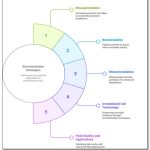 |
Figure 5: Representing various bioremediation strategies for pesticide degradation |
Challenges and Future Perspectives
Despite the potential of microbial remediation, several challenges hinder its large-scale application:
Challenges
Strain Stability and Survival: Entering strains may not establish owing to predation or competition.
Environmental Variability: Soil quality, water content, pH, and temperature variations can affect degradation kinetics.
Incomplete Mineralization: TCP tends to accumulate owing to inhibited microbial capabilities in certain systems.
Regulatory Barriers: Field application of genetically modified organisms (GMOs) is controlled in most nations.
Scale-Up Challenges: Moving from lab-scale to field-scale bioremediation requires cautious optimization of formulation, delivery mechanisms, and carriers.
Future Perspectives
Microbial Consortia Design: Design of microbial consortia with complementary degradation routes may improve CPF mineralization.
CRISPR and Genetic Engineering: CRISPR and genetic engineering can design effective, multi-functional strains for site-specific treatment.
Nano-Biotechnology: Integration of nanoparticles with microbial enzymes can enhance CPF bioavailability and degradation rates under new technology.
AI-Driven Predictive Modeling: Machine learning can streamline microbial selection and forecast biodegradation kinetics under changing conditions.
Eco-toxicological Evaluations: Preventing the degradation from forming new, poisonous by-products is vital for sustainable use.39,40
Microbiology, environmental science, systems biology, and soil ecology must all be approached as a whole for effective, sustainable CPF bioremediation tactics to work.
Conclusion
The microbiological degradation of chlorpyrifos presents an environmentally sound, cost-efficient, and cost-effective alternative to pesticide contamination in farm soils. Many bacterial genera such as Pseudomonas, Bacillus, Staphylococcus, and Alcaligenes have shown very strong CPF-degrading potential. Application of enrichment culture methods in addition to state-of-the-art genomic and proteomic technologies has promoted a deeper knowledge of mechanisms and pathways of degradation.
While there have been successes with some laboratory-scale and field trials, areas of difficulty still include strain survival, environmental fluctuation, and partial mineralization. However, new developments in microbial consortia engineering, immobilization, and rhizoremediation show potential avenues forward. Future investigations should aim at bringing together multi-disciplinary techniques to maximize bioremediation under practical field conditions and confirm ecological safety.
With ongoing research, policy endorsement, and stakeholder participation, microbial bioremediation can become a common technique in sustainable agriculture and environmental conservation.
Acknowledgement
The authors express their gratitude to the Dr. Ashish Saraf, Head, School of Sciences, MATS University, Raipur, Chhattisgarh, for his invaluable guidance throughout this study.
Funding Sources
The authors received no financial support for the research, authorship, and/or publication of this article.
Conflict of Interest
The authors do not have any conflict of interest.
Data Availability Statement
This statement does not apply to this article.
Ethics Statement
This research does not involve human participants, animal subjects, or any material that requires ethical approval.
Informed Consent Statement
This study is a review of previously published literature and does not involve any new studies with human participants or animals performed by the authors. Therefore, informed consent was not required.
Permission to reproduce material from other sources
Not applicable.
Author Contributions
Jasmeet Kaur Sohal: designed the work and done proof reading.
Khushboo Minj: searched the literature and wrote the manuscript.
References
- John E, Shaike JM. Chlorpyrifos: pollution and remediation. Environmental Chemistry Letters. Published online 2015. doi:https://doi.org/10.1007/s10311-015-0513-7
CrossRef - Bose S, Kumar PS, Vo DVN. A review on the microbial degradation of chlorpyrifos and its metabolite TCP. Chemosphere. 2021;283:131447. doi:https://doi.org/10.1016/j.chemosphere.2021.131447
CrossRef - Dar MA, Kaushik G, Villarreal-Chiu JF. Pollution status and bioremediation of chlorpyrifos in environmental matrices by the application of bacterial communities: A review. Journal of Environmental Management. 2019;239:124-136. doi:https://doi.org/10.1016/j.jenvman.2019.03.048
CrossRef - Suman, S., Singh, T., Swayamprabha, S., & Singh, S. Biodegradation of pesticide chlorpyrifos by bacteria Staphylococcus aureus (accession no. CP023500. 1) isolated from agricultural soil. Journal of Ecophysiology and Occupational Health. 2020; 21-26.
CrossRef - Aswathi A, Pandey A, Sukumaran RK. Rapid degradation of the organophosphate pesticide – Chlorpyrifos by a novel strain of Pseudomonas nitroreducens AR-3. Bioresource Technology. 2019;292:122025. doi:https://doi.org/10.1016/j.biortech.2019.122025
CrossRef - Yadav M, Shukla AK, Srivastva N, Upadhyay SN, Dubey SK. Utilization of microbial community potential for removal of chlorpyrifos: a review. Critical Reviews in Biotechnology. 2015;36(4):727-742. doi:https://doi.org/10.3109/07388551.2015.1015958
CrossRef - Singh BK, Walker A, Morgan JAW, Wright DJ. Effects of Soil pH on the Biodegradation of Chlorpyrifos and Isolation of a Chlorpyrifos-Degrading Bacterium. Applied and Environmental Microbiology. 2003;69(9):5198-5206. doi:https://doi.org/10.1128/aem.69.9.5198-5206.2003
CrossRef - Cheng C, Liu W, Hou K, et al. Ecological safety evaluation of chlorpyrifos on agricultural soil: Effects on soil microbes. Applied Soil Ecology. 2023;189:104954-104954. doi:https://doi.org/10.1016/ j.apsoil.2023.104954
CrossRef - Rayu S, Nielsen UN, Nazaries L, Singh BK. Isolation and Molecular Characterization of Novel Chlorpyrifos and 3,5,6-trichloro-2-pyridinol-degrading Bacteria from Sugarcane Farm Soils. Frontiers in Microbiology. 2017;8. doi:https://doi.org/10.3389/fmicb.2017.00518
CrossRef - Kumar U, Berliner J, Adak T, et al. Non-target effect of continuous application of chlorpyrifos on soil microbes, nematodes and its persistence under sub-humid tropical rice-rice cropping system. Ecotoxicology and Environmental Safety. 2017;135:225-235. doi:https://doi.org/10.1016/ j.ecoenv.2016.10.003
CrossRef - Gilani RA, Rafique M, Rehman A, Munis MFH, Rehman S ur, Chaudhary HJ. Biodegradation of chlorpyrifos by bacterial genusPseudomonas. Journal of Basic Microbiology. 2015;56(2):105-119. doi:https://doi.org/10.1002/jobm.201500336
CrossRef - Gong T, Liu R, Che Y, et al. Engineering Pseudomonas putidaKT 2440 for simultaneous degradation of carbofuran and chlorpyrifos. 2016;9(6):792-800. doi:https://doi.org/10.1111/1751-7915.12381
CrossRef - Liu C, Zhao C, Wang L, et al. Biodegradation mechanism of chlorpyrifos by Bacillus sp. H27: Degradation enzymes, products, pathways and whole genome sequencing analysis. Environmental Research. 2023;239:117315-117315. doi:https://doi.org/10.1016/j.envres.2023.117315
CrossRef - Ahmad F, Iqbal S, Anwar S, et al. Enhanced remediation of chlorpyrifos from soil using ryegrass (Lolliummultiflorum) and chlorpyrifos-degrading bacterium Bacillus pumilus C2A1. Journal of Hazardous Materials. 2012;237-238:110-115. doi:https://doi.org/10.1016/j.jhazmat.2012.08.006
CrossRef - Yadav U, Kushwaha S, Anand V, Kumar S, Prakash O, Singh PC. Chlorpyrifos degradation by plant growth-promoting Alcaligenesfaecalis bacteria isolated from oil-contaminated soil. Bioremediation Journal. 2020;25(1):80-88. doi:https://doi.org/10.1080/10889868.2020.1837066
CrossRef - Abraham J, Silambarasan S, Logeswari P. Simultaneous degradation of organophosphorus and organochlorine pesticides by bacterial consortium. Journal of the Taiwan Institute of Chemical Engineers. 2014;45(5):2590-2596. doi:https://doi.org/10.1016/j.jtice.2014.06.014
CrossRef - Nguyen LT, Nguyen TBK, Luong TH, Dam HT, Nguyen PM. Isolation and characterization of chlorpyrifos-degrading bacteria in tea-growing soils. Journal of Experimental Biology and Agricultural Sciences. 2023;11(3):563-571. doi:https://doi.org/10.18006/2023.11(3).563.571
CrossRef - Mehta A, Bhardwaj KK, Shaiza M, Gupta R. Isolation, characterization and identification of pesticide degrading bacteria from contaminated soil for bioremediation. BiologiaFutura. Published online March 22, 2021. doi:https://doi.org/10.1007/s42977-021-00080-6
CrossRef - Aswathi A, Pandey A, Sukumaran RK. Rapid degradation of the organophosphate pesticide – Chlorpyrifos by a novel strain of Pseudomonas nitroreducens AR-3. Bioresource Technology. 2019;292:122025. doi:https://doi.org/10.1016/j.biortech.2019.122025
CrossRef - Phumkhachorn P. Chlorpyrifos degrading Pseudomonas stutzeri isolated from pesticide contaminated soil. Asian Journal of Agriculture and Biology. 2020;8(3):268-273. doi:https://doi.org/10.35495/ajab.2019.12.573
CrossRef - Duraisamy K, Muthusamy S, Balakrishnan S. An eco-friendly detoxification of chlorpyrifos by Bacillus cereus MCAS02 native isolate from agricultural soil, Namakkal, Tamil Nadu, India. Biocatalysis and Agricultural Biotechnology. 2018;13:283-290. doi:https://doi.org/10.1016/j.bcab.2018.01.001
CrossRef - Lian L, Xing Y, Zhang N, Jiang B. Identification of chlorpyrifos-degrading microorganisms in farmland soils viacultivation-independent and -dependent approaches. Environmental Science Processes & Impacts. 2022;24(7):1050-1059. doi:https://doi.org/10.1039/d2em00095d
CrossRef - Gilani RA, Rafique M, Rehman A, Munis MFH, Rehman S ur, Chaudhary HJ. Biodegradation of chlorpyrifos by bacterial genusPseudomonas. Journal of Basic Microbiology. 2015;56(2):105-119. doi:https://doi.org/10.1002/jobm.201500336
CrossRef - Asamba MN, Mugendi EN, Oshule PS, Essuman S, Chimbevo LM, Atego NA. Molecular characterization of chlorpyrifos degrading bacteria isolated from contaminated dairy farm soils in Nakuru County, Kenya. Heliyon. 2022;8(3):e09176. doi:https://doi.org/10.1016/j.heliyon.2022.e09176
CrossRef - Ishag AESA, Abdelbagi AO, Hammad AMA, et al. Biodegradation of Chlorpyrifos, Malathion, and Dimethoate by Three Strains of Bacteria Isolated from Pesticide-Polluted Soils in Sudan. Journal of Agricultural and Food Chemistry. 2016;64(45):8491-8498. doi:https://doi.org/10.1021/ acs.jafc.6b03334
CrossRef - Ambreen S, Yasmin A. Novel degradation pathways for Chlorpyrifos and 3, 5, 6-Trichloro-2-pyridinol degradation by bacterial strain Bacillus thuringiensis MB497 isolated from agricultural fields of Mianwali, Pakistan. Pesticide Biochemistry and Physiology. 2021;172:104750. doi:https://doi.org/ 10.1016/j.pestbp.2020.104750
CrossRef - Aswathi A, Pandey A, Sukumaran RK. Rapid degradation of the organophosphate pesticide – Chlorpyrifos by a novel strain of Pseudomonas nitroreducens AR-3. Bioresource Technology. 2019;292:122025. doi:https://doi.org/10.1016/j.biortech.2019.122025
CrossRef - Jaiswal S, Bara JK, Soni R, Shrivastava K. Bioremediation of Chlorpyrifos Contaminated Soil by Microorganism. International Journal of Environment, Agriculture and Biotechnology. 2017;2(4). https://ijeab.com/detail/bioremediation-of-chlorpyrifos-contaminated-soil-by-microorganism/
CrossRef - Chu X, Fang H, Pan X, et al. Degradation of chlorpyrifos alone and in combination with chlorothalonil and their effects on soil microbial populations. 2008;20(4):464-469. doi:https://doi.org/10.1016/s1001-0742(08)62080-x
CrossRef - V JS, P A. Bioremediation of Chlorpyrifos Contaminated Soil Using Biomass of Fruit-vegetable Waste. UTTAR PRADESH JOURNAL OF ZOOLOGY. 2025;46(1):98-109. doi:https://doi.org/10.56557/ upjoz/2025/v46i14745
CrossRef - Singh P, Harvinder Singh Saini, Raj M. Rhamnolipid mediated enhanced degradation of chlorpyrifos by bacterial consortium in soil-water system. Ecotoxicology and Environmental Safety. 2016;134:156-162. doi:https://doi.org/10.1016/j.ecoenv.2016.07.020
CrossRef - Raj A, Kumar A. Recent advances in assessment methods and mechanism of microbe-mediated chlorpyrifos remediation. Environmental Research. 2022;214:114011. doi:https://doi.org/10.1016/ j.envres.2022.114011
CrossRef - Varghese EM, P. A, M. S. J. Strategies in microbial degradation enhancement of chlorpyrifos – a review based on the primary approaches in soil bioremediation. Biocatalysis and Biotransformation. Published online June 14, 2021:1-12. doi:https://doi.org/10.1080/10242422.2021.1939693
CrossRef - Huang Y, Zhang W, Pang S, et al. Insights into the microbial degradation and catalytic mechanisms of chlorpyrifos. Environmental Research. 2021;194:110660. doi:https://doi.org/10.1016/ j.envres. 2020.110660
CrossRef - Srinivas, R., Prasad, A. G. D., & Krishnan, M. H. Remediation of Chlorpyrifos in Artificially Spiked Soil by Defined Microbial Consortium. International Journal of Scientific Research in Environmental Sciences. 2016; 0164-0172.
CrossRef - Wang X, Hou JW, Liu WR, Bao J. Plant-microbial remediation of chlorpyrifos contaminated soil. Journal of Environmental Science and Health Part B, Pesticides, Food Contaminants, and Agricultural Wastes. 2021;56(10):925-931. doi:https://doi.org/10.1080/03601234.2021.1977570
CrossRef - Zhang X, Gao Y, Zhao C, et al. Rhizosphere bacteria G-H27 significantly promoted the degradation of chlorpyrifos and fosthiazate. Science of The Total Environment. 2024;917:169838. doi:https://doi.org/10.1016/j.scitotenv.2023.169838
CrossRef - Alansary N. Chlorpyrifos Biodegradation Study in Egyptian Agricultural Soil. Al-Azhar Journal of Agricultural Research. 2024;0(0). doi:https://doi.org/10.21608/ajar.2024.224434.1201
CrossRef - Ding L, Wang Y, Ju H, et al. Chlorpyrifos degradation and its impacts on phosphorus bioavailability in microplastic-contaminated soil. Ecotoxicology and environmental safety. 2024;277:116378-116378. doi:https://doi.org/10.1016/j.ecoenv.2024.116378
CrossRef - Varghese EM, P. A, M. S. J. Strategies in microbial degradation enhancement of chlorpyrifos – a review based on the primary approaches in soil bioremediation. Biocatalysis and Biotransformation. Published online June 14, 2021:1-12. doi:https://doi.org/10.1080/10242422.2021.1939693
CrossRef
Abbreviations List
CPF– Chlorpyrifos
TCP– 3,5,6-trichloro-2-pyridinol
KEGG– Kyoto Encyclopedia of Genes and Genomes
AI– Artificial Intelligence
CRISPR– Clustered regularly interspaced short palindromic repeats.