


 PDF Downloads:
465
PDF Downloads:
465


Introduction
Nearly 70% of the freshwater consumed globally is utilized for agriculture,1 and this number may be greater in underdeveloped nations. Water stress increases as a result of growing food and water needs brought on by the increase in population. It is still crucial to save water and make sure there is an adequate, sustainable supply for irrigation, even though non-traditional water resources like desalination, drainage water, imported virtual water, and reuse may be able to address the agricultural water scarcity.2 To address water losses in irrigation canals, new and sustainable methods are needed. Water infrastructures are said to face one of their biggest challenges: water loss. During distribution and transportation, earth canals lose a significant amount of water. Significant financial losses result from the 40% to 45% of water loss before it reaches the end of earth canals.3 Efficient irrigation systems play a vital role in optimizing water distribution in agroforestry and agricultural landscapes. Among these systems, irrigation canals serve as primary conduits for transporting water from sources to fields. These canals are broadly categorized based on their structural composition into lined and unlined types:
Lined canals
These canals have a solid surface, often made from concrete, asphalt, or other materials that reduce seepage.
Unlined canals
These canals are made from natural soil and do not have a solid surface. They often rely on the natural earth to contain the water.
In India’s arid and semi-arid regions, crop productivity has traditionally been constrained by the availability of water for irrigation. Compared to other states, states like Haryana, Punjab, Gujarat, Karnataka, Rajasthan, and Maharashtra have fewer irrigation resources. Water will be a crucial resource in the future that restricts agricultural output, particularly in the state of Haryana. According to the Irrigation and Water Resources Department of Haryana, Haryana with a land size of 44,212 sq. Km, or 1.34% of the total land area of India. Only 84.6% of the entire geographical area is suitable for cultivation; of that, only 96.56% is net seeded; of that, only 90.9% is net irrigated; of that, only 36% is irrigated via canals (i.e., 12,31,000 Hectares of area is irrigated through canals) and left is irrigated by tubewells.4 An enormous amount of water is required in this large area, and numerous canals are required to deliver the water to the fields. During the water’s journey, some amount of water is lost through seepage, evaporation, etc. And this will have an impact on irrigation efficiency as well as reduce the canal’s conveyance efficiency. Surface irrigation covers over 3.05 million hectares, with a canal network spanning 14,370 km and an irrigation intensity of 185.3% over the gross irrigated area of 62,79,000 hectares.5 Conversely, from 62.14 percent in 1970–71 to 38.83 percent in 2011–12, the percentage of canal irrigation indicates a declining tendency, with the largest reduction occurring in 2011–12.6 According to calculations, the Haryana canal system’s overall water use efficiency is 39%.
Conveyance of Water for Irrigating the Field
Irrigation water is conveyed from the source to agricultural fields through a network of canals or pipelines. Canals may be either lined to minimize seepage losses or unlined based on site conditions and design considerations. Pipelines employed for water transport include portable systems, permanent surface installations, and subsurface (buried) conduits, each selected according to agronomic, hydraulic, and infrastructural requirements. After evaluating soil properties, crop factors, and other environmental factors using geographic information system techniques and suitability, we can decide the suitable method of irrigation application. And the canal used for carriage of water is important here how it carries water to field, time required to reach the water to crop or many other parameters related to water carriage by canal. There are various irrigation methods7 named below can use irrigation canal or pipelines for water conveyance:
Flood or furrow irrigation method – Water conveyance through pipelines or canals.
Basin irrigation method – Water conveyance through irrigation canals.
Sprinkler irrigation method – Water conveyance through pipelines.
Drip irrigation method – Water conveyance through pipelines.
Open Canal Irrigation
A canal is an artificial channel constructed for transporting water from rivers, reservoirs, etc., for a number of purposes, such as irrigation, navigation, and power generation. Based on several criteria, including the kind of supply source, functions, border surface type, financial output, discharge capacity, and canal alignment, canals are categorized into different types.8 They fall into two primary categories, as based on the kinds of boundary surfaces:
Lined
Unlined
It was calculated that the lining decreased water loss by 22.5% when comparing the average water loss of unlined watercourses, which was 66%, to the average water loss of lined watercourses, which was 43.5%.9
The downward lateral movement of water into soil from a supply source, like an irrigation canal or reservoir, is referred to as seepage. The length of the channel, the type of soil (i.e., its ability to conduct water), the wetted perimeter, the operation policies, the construction and embankment material methods, the ambient temperature, the microbial activity, the type of lining used for aquatic weed growth, etc. are some of the variables that affect seepage losses. In addition to decreasing freshwater resources, seepage loss causes groundwater pollution, waterlogging, and salinization. Canal linings are used to minimize seepage loss. A perfect lining would prevent all seepage loss, but as canals age, their lining loses its effectiveness. Weathering, weed growth in the canal, subgrade settling, poor construction, and the use of inferior lining materials can all cause lining cracking anywhere along the lining’s perimeter. Several study staff members reported that seepage losses in conveyance averaged between 15 and 20 percent. Understanding the behavior of lining materials, as well as their reliability, serviceability, benefits and drawbacks, and cost-effectiveness, is essential to identifying issues with the operation and upkeep of the lined canals that will be built. The only way to achieve this is to track seepage loss over time.
Working on a few performance-affecting aspects, such as hydraulic efficiency, water loss or seepage loss, water quality, maintenance and operating costs, and environmental effect and sustainability, can help control the canal conveyance efficiency.10 The rationale for water losses in irrigation canals, the factors influencing each one, and the methods used to quantify losses are all reviewed and examined in this work. The review examines prospective solutions that use various techniques to reduce canal water loss.
Hydraulic Efficiency
The canals’ hydraulic efficiency may be impacted by seepage loss. One possible way to increase hydraulic efficiency is to line the canal. Lined canals also function better hydraulically and require less maintenance over time since they are less prone to erosion and sedimentation.
Hydraulic Efficiency for Lined and unlined Canals
Through a 78% reduction in water loss before it reaches the fields, lined canals can improve hydraulic efficiency.11 In addition to increasing the amount of water available for irrigation, this could also improve the water’s quality by lowering the quantity of silt and other contaminants that are carried through the canal. However, depending on the type of lining and the particular canal circumstances, the impact of canal lining on hydraulic efficiency may vary. The concrete lining is often seen to be the most effective in reducing water loss, but it may also be costly and difficult to construct and maintain. Alternative methods, including PVC, plastic, and earthen lining, can also be utilized, albeit they might not be as effective in reducing water losses. Although canal lining is believed to be a way to increase hydraulic efficiency, it is actually a complex issue that requires thorough consideration of the technical and financial factors as well as the potential social and environmental impacts. Seepage from the canal network is the primary source of groundwater recharge; tube wells are utilized to pump the recharged water back for agricultural use in areas with inadequate surface water.
By establishing a connection between weather patterns and the effectiveness of lined canals, workers may pinpoint the issues that reduce efficiency and develop targeted solutions. Examples of atmospheric factors that can affect the hydrological cycle include temperature, humidity, wind speed, and precipitation. For example, high temperatures and low humidity can encourage evaporation, while high precipitation can increase the amount of water in the canals.
Compared to lined irrigation canals, seepage loss in unlined canals is too high. Therefore, unlined irrigation canals have a lower hydraulic efficiency. As a result, there was less water available to the crop in the field and more water loss. In the event of unlined or earth canals, around 80% of the total water is lost. As a consequence, it results in a number of grave issues, such as the decline in water table depth, depletion of nutrients, growth of a salty layer on the top layer of agricultural land, etc. Wetted perimeter in lined and unlined canals can differently affect the hydraulic efficiency, also, some of the hydraulic parameters that affect the hydraulic efficiencies are wetted perimeter, soil permeability, bed slope, side slope, roughness coefficient, etc.12 When determining an irrigation project’s gross irrigation requirements, these losses must be included.
Calculating Conveyance Efficiency for Lined and Unlined Irrigation Canals
Conveyance efficiency, an efficiency factor that must be determined during the planning phase, can be used to achieve this. Greater conveyance efficiency reduces water loss, increasing the irrigated area from a finite water source. It also reduces soil damage and nutrient leaching, making the irrigation system more environmentally friendly.
The following formula13 can be used to determine canal conveyance efficiency, which is the ratio between water released at the canal upstream end and the water at its downstream end.
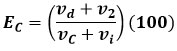
Where;
Ec = Conveyance efficiency of Canal;
Vc = Volume of water at upstream end of canal section (m3);
Vi = inflow, if any, from other sources within the section (m3);
Vd = Volume of water delivered to the farm (at the downstream end of the canal section) (m3);
V2 = non-irrigation deliveries from the conveyance system (m3).
Conveyor characteristics such as the manning’s roughness coefficient, canal slope, and canal hydraulic radius were examined while evaluating conveyance efficiency using Manning’s equation. Therefore, the observed and designed values of the wetted perimeter, bed slope, and Manning’s roughness coefficient will be compared. Through exact measurements of velocity, canal slope, wetted area, and wetted perimeters of the canal at various points, observed values of these conveyance properties were obtained. These were then used in the manning equation7 for the determination of manning’s roughness coefficient as follows:
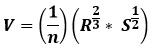
Here,
V = velocity of flow in canal (m/s), n = Manning’s roughness Coefficient, R = Hydraulic radius (R= A /P) and S = slope of canal (m/m), A = area of cross-section to wetted depth (m2), P = wetted perimeter (m).
Water Loss and Seepage Loss
Water resource management and agricultural productivity are directly impacted by the effective movement of water via these canals. Water loss during conveyance, however, continues to be a major problem that lowers irrigation systems’ overall effectiveness.14 Seepage, evaporation, leakage, and operational inefficiencies are some of the reasons for this water loss, and they differ significantly between lined and unlined canals. Lined canals are made with impermeable materials like concrete, clay, or synthetic membranes that prevent seepage and water loss.15 The main benefit of lining canals is the notable decrease in water loss due to seepage through the sides and bed of the canal.16 Lined canals significantly reduce infiltration by forming a barrier between the water and the surrounding soil, which improves the efficiency of water transport from the source to the field. Nevertheless, evaporation, fractures, or badly maintained areas can still cause water loss in lined canals. Unlined canals, which are frequently built with natural soil, are more susceptible to seepage, a major source of water loss.17 A number of variables, including soil type, canal design, water table levels, and maintenance procedures, affect how much seepage occurs in unlined canals. Unlined canals may experience greater rates of evaporation, bank erosion, and silt deposition in addition to seepage, all of which can impede water flow and raise maintenance expenses. Unlined canals have lower initial construction costs, but over time, they become more expensive to operate because they need more frequent maintenance to deal with problems like siltation and erosion.
Permeability of soil in an unlined canal also affects the amount of water loss due to seepage. Mainly two types of soils are there in unlined canals: one is isotropic soil and the second is non-isotropic soil; the seepage rate varies accordingly for both. For isotropic soil, the seepage rate can be determined from the flownet theory. The network of equipotential lines and flow lines is termed as Flownet. If the permeability of soil varies in both horizontal and vertical directions (i.e., KX ≠ Ky), then the soil is called non-isotropic soil.18 Table 1, given below, represents many studies on lined and unlined canals’ discharge pattern based on different canal parameters.
Table 1: The factors affecting seepage losses as reported in some previous studies3
| Studied factors | Conclusions |
| Canal Geometry19 | · Seepage from triangular cross-section canals is minimum for a side slope of 1.244.· Seepage from a rectangular cross-section channel is minimum when the ratio of the its bed width to the water depth in canal is 2.513· Of all the geometries examined, the ideal trapezoidal cross-section has the least seepage (side slopes = 0.598 and bed width to normal water depth ratio = 1.646). |
| Condition and composition of canal banks20 | · In old canals, 80% of the canal water losses happened at the top 8 cm of the banks.· Water losses in a 100 m length of rehabilitated canals with compacted banks dropped to less than 2% of the flowing water.· Water losses in the banks were decreased to less than 25% of their pre-compaction value by using compacted soil cores.
|
| Canal geometry and optimal dimensions21 | · Developed design charts that facilitate the design of canals with minimum water losses. The optimum section of rectangular and trapezoidal canals was less sensitive to increasing the bed width. |
| Impervious layer under the bed and canal geometry22 | · The presence of an impervious layer under the bed reduce the amount of seepage discharge.· A closer impervious layer to the bed leads to less seepage from the canal.· Flatter side slopes lead to greater amounts of seepage discharge. |
| Hydraulic and geometric parameters23 | · Seepage losses are higher in wide canals with moderate side slopes than in narrow canals with steep side slopes. |
| The canal condition24 | · If the canal’s condition deteriorates and cracks appear, it will have considerable seepage losses even with lining. |
| Canal condition and velocity25 | · Less seepage loss happened when the canal was lined and the water velocity surged. |
| Service time, canal condition and development of cracks26 | · The conveyance efficiency of a canal is negatively affected by its condition and service time. |
Measurement of seepage losses
Inflow-Outflow Method
The basic equation 11 used for the inflow–outflow method is given below as:
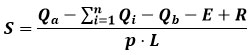
Where,
S is the seepage loss (cfs/ft2) (1 cfs/ft2 = 0.3048 cumecs/m2), Qa is the discharge of canal at the inflow section (cfs) (1 cfs = 0.0283 cumecs), Qb is the discharge of canal at the outflow section (cfs) (1 cfs = 0.0283 cumecs), Qi = discharge of its off-takings/outlets within the test reach (cfs) (1 cfs = 0.0283 cumecs), n = the total number of off-takings in test reach, E is the evaporation loss (cfs) (1 cfs = 0.3048 m), and L is the length of test reach (ft.) (1 ft. = 0.3048 m).
Each attempt was made to reduce measurement errors caused by personnel, machinery, and flow alterations. A class-A evaporation pan is used at the location to assess evaporation losses. Rainfall and evaporation usually have little effect on seepage loss, although if seepage losses are small, they should still be considered. At the test sites, standard rain gauges were set up to track and measure rainfall. Calibrated current meters were used to measure the discharge. Two methods are proposed to observe velocities in channels: the two-point and the six-tenths depth techniques. For major canals with water depths more than 0.75 meters, the two-point technique is suggested. It involves taking measurements of the velocities at 0.2 and 0.8 depths from the water’s surface.27 Then, the mean velocity in vertical is then determined by averaging the above two data. This approach yields very accurate results. The six-tenths approach is applied when the two-point method is inappropriate or when the water depth is less than 0.75 meters. By adopting this velocity as the mean velocity in that vertical, the velocity is measured at 0.6 times the depth of the canal from the water’s surface.18 To reduce variations in the channel’s discharge over the course of the test, the water gauge was maintained at a constant level. All outlets’ discharges were measured with comparable precision to ensure the least amount of inaccuracies.
Ponding Method
The ponding method is a technique used to compute seepage loss in reservoirs and canals by measuring changes in water level in a ponded area.28 The fundamental idea behind this technique is that seepage gains or losses will cause a ponded area’s water level to fluctuate.
The steps used to determine seepage losses by applying the ponding method technique are:
Constructing a small embankment created by ponded area or dam across the canal or reservoir.
Measure the water level over a period of time in that ponded area.
Compare the initial and final water levels in the ponded area over a period of time at regular intervals.
Difference between initial and final water levels to estimate seepage losses over the time interval.
Seepage losses for a certain time frame, like a month, a week, or a day, can be estimated using this method.29 Repeat the observations multiple times and average the results. seepage losses over a longer time span can also be estimated using the ponding method.30 The process involves collecting water in a designated section of a canal and tracking the pond’s drop rate over time. The main criticism of this approach, which is the most dependable, is that because of silt settling, the seepage rate for flowing and standing water may differ.31 It cannot be carried out in waterways that are flowing either. The seepage rate in the ponding method is given by the equation:11
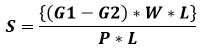
Where,
S is the seepage rate in ft3/ft2 per day, W is the average water surface width (ft.), G1 is the gauge in a pond at the beginning of the test (ft.), G2 is the gauge in a pond after 24 hours (ft.); L is the length of the pond (ft.); and P is the average wetted perimeter (ft.).
Seepage loss in lined canals
Seepage is the process in which water infiltrates through soil layer or lining material of a canal.32 In irrigation systems, seepage can lead to substantial water losses, impacting agricultural productivity and water conservation efforts. Lined canals, constructed with impermeable materials such as concrete, plastic, or geo-membranes, are employed to minimize these losses. Understanding the mechanisms of seepage loss in lined canals is crucial for optimizing irrigation efficiency and ensuring sustainable water resource management. This review examines the underlying theories related to seepage loss in lined canals, emphasizing the impact of hydraulic conditions, lining materials, and canal geometry.
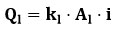
Darcy’s Law is used for the calculation of seepage loss through lined canals, expressed by the equation:16
Here,
Ql = Seepage loss in lined canal (m3/s), kl = Coefficient of permeability of the lining material (m/s), Al = Effective area of seepage through the lining (m2), and i = Hydraulic gradient.
Hence value of kl varies according to the below Table 2 values for different materials.
Table 2: Coefficient of Permeability for different Lining materials.33
| Lining Material | Coefficient of Permeability (kl) (m/s) | Comments |
| Concrete | 10-8 to 10-6 | Varies with mix design; generally low permeability |
| Clay Liner | 10-9 to 10-7 | Highly effective for sealing; low permeability. |
| Geomembranes (HDPE) | 10-13 to 10-10 | Extremely low permeability; used for water retention. |
| Soil-Cement Liner | 10-7 to 10-5 | Dependent on soil type and cement content; moderate permeability. |
| Asphalt | 10-7 to 10-5 | Moderate low permeability; often used in road channels. |
| Polymeric Liners | 10-10 to 10-8 | Varies by specific polymer; very low permeability. |
| Shotcrete | 10-7 to 10-5 | Similar to concrete but may have higher permeability due to application method. |
| Gravel or Rock Fill | 10-5 to 10-3 | Very high permeability; not typically used alone as a liner. |
| Flexible Membranes | 10-10 to 10-8 | Includes materials like PVC; low permeability, effective barrier. |
Factors affecting seepage loss in lined canals
Lining Material
Each material has different properties regarding permeability, durability, and maintenance, all of which influence the overall seepage performance. Concrete linings generally offer better protection against seepage, while membranes and compacted clay can provide a cost-effective but less durable alternative.34 The Table 3 given below represents seepage loss and reduction in seepage from different lining materials from the study of.35
Table 3: Seepage loss from different lining materials35
| Lining material | Seepage loss (liters/sec per 1000m) | Reduction in seepage (in %) |
| Unlined canal | 40 | 0 |
| Compacted clay lining | 25 | 37.5% |
| Concrete lining | 10 | 75% |
| PVC Geomembrane lining | 5 | 87.5% |
Cracks and Damage
The Main reasons for cracks and damage in lining material are thermal expansion and contraction, aging and weathering, soil movement and due to poor construction quality. Over time, cracks or damage to the lining can result in seepage. Regular maintenance is crucial to keeping seepage losses low and preventing structural instability.
Permeability of Joints
The joints between lining sections can sometimes be weak spots for water leakage, especially if not sealed properly or due to aging and the wear action of water waves.
Seepage loss in unlined canals
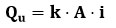
The majority of water conveyance loss (98.37%) is caused by seepage loss in irrigation canals, whereas evaporation losses only 0.3% of the entire stream, however, evaporation loss in irrigation networks is typically ignored. Seepage loss calculation in Unlined canals using Darcy’s law:27
Here,
Qu = Seepage loss in unlined canal (m3/s), k = coefficient of permeability of the soil (m/s), A = cross sectional area of flow in the canal or wetted area (m2), i = Hydraulic gradient (=h/l) where h = head difference (m) and l = length of seepage path (m).
Also, the value of the coefficient of permeability varies from 10-3 to 10-9 for sandy loam soil to clay soil.
Factors affecting seepage loss in unlined canals
Soil Type
Sandy soils lead to higher seepage rates, while clayey soils have lower seepage rates. Seepage can be as high as 70-120 liters/sec per 1000m of the canal in sandy soils and 5-15 liters/sec per 1000m in clayey soils.36
Table 4: Impact of soil type on seepage36,25
| Soil Type | Permeability | Seepage Loss (liters/sec per 1000m of canal) | Examples of Areas |
| Gravel | Very High | 100-150 | Riverbeds, Mountain valleys |
| Coarse Sand | High | 70-120 | Desert regions, Coastal plains |
| Fine Sand | Medium-high | 40-60 | Semi-arid regions, River terraces |
| Loam | Moderate | 20-40 | Agricultural zones |
| Silt | Low | 10-30 | Floodplains, Valleys |
| Clay | Very Low | 5-15 | Wetlands, Agricultural zones with high clay |
| Rock (impermeable) | Negligible | < 1 | Mountainous region |
Water Table
If the water table is high, seepage will be less since the pressure gradient between the canal water and groundwater is reduced. A study on the impact of the water table on seepage losses in unlined canals37 found the following key results:
When the water table was 1 meter below the canal bed, seepage losses averaged around 25 liters/sec per 1000 meters of the canal.
When the water table was 3 meters below the canal bed, seepage losses increased significantly to 50 liters/sec per 1000 meters.
When the water table was near the surface (0.5 meters below the canal bed), seepage losses dropped to less than 10 liters/sec per 1000 meters.
Canal Geometry
Wider and deeper canals tend to have more seepage due to the larger surface area in contact with the soil.
In a study, researchers examined seepage losses from trapezoidal and rectangular canal sections in an unlined irrigation system.38 The key findings were:
The trapezoidal section with side slopes of 2:1 (horizontal to vertical) had a seepage rate of 0.05 m³/sec per 1000 m of canal length.
The rectangular section with a similar flow capacity had a lower seepage rate of 0.03 m³/sec per 1000 m, attributed to its smaller wetted perimeter.
Flow Conditions
Flow conditions like velocity of flow, depth of flow, rate of discharge, transient flow condition, and soil saturation and capillarity can affect the seepage loss from an unlined canal. Higher water levels or velocities can increase seepage as more pressure is exerted on the canal’s bed and sides.38 Also, the steeper side slopes can reduce wetted perimeter and potentially decrease seepage loss under certain flow conditions.
Table 5: Flow condition and seepage loss relationship
| Flow Condition | Seepage Loss (liters per sec per 1000m) |
| Low Velocity (0.5 m/s)39 | 20 |
| Moderate Velocity (1.0 m/s)40 | 35 |
| High Velocity (1.5 m/s)41 | 50 |
Water quality, Maintenance and operational cost
The performance of irrigation water conveyance systems is determined not solely by the magnitude of water loss, but also by the cumulative impacts of water quality degradation, recurring maintenance burdens, and operational expenditures. These factors play a critical role in the long-term viability and functional reliability of the system. Infrastructure that minimizes contamination risk, requires minimal upkeep, and offers cost-effective operation is essential for sustaining resource-efficient irrigation practices under variable field conditions and increasing demand for agricultural productivity. To ensure durability, minimize water loss, and manage water effectively, lined and unlined canals must be maintained at regular time intervals. Comparative analysis of lined and unlined irrigation canals, focusing on factors like water loss, silt deposition, weed growth, and structural degradation. These key factors can be discussed as:
Water Loss
Unlined canals tend to experience more water seepage, while lined canals (concrete, stone, or plastic) prevent this to a significant extent.
Silt Deposition
Unlined canals are more prone to silt accumulation, requiring frequent desilting. Lined canals are less susceptible to this problem.
Weed Growth
Unlined canals offer a conducive environment for weed growth, which can obstruct water flow. Lined canals reduce weed growth, minimizing maintenance needs.
Structural Maintenance
Lined canals may need less frequent maintenance but are more expensive to repair when damaged. Unlined canals require regular upkeep to prevent erosion and embankment collapse.
Comparing the maintenance factors of lined and unlined irrigation canals based on key parameters:
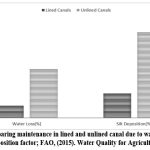 |
Figure 1: Comparing maintenance in lined and unlined canal due to water loss and silt deposition factor; FAO, (2015). Water Quality for Agriculture |
According to this graph in Figure 1, we can clearly see that there is more silt deposition and water loss in an unlined canal, hence, it requires more maintenance or timely upkeep to prevent soil erosion and bank collapse. And lined canals may need less frequent maintenance but are more expensive to repair when damaged. Weed growth in unlined irrigation canal is more frequent and needs timely maintenance.42 Water quality in irrigation canals, whether lined or unlined, is an important factor that influences agricultural productivity, the health of ecosystems, and the sustainability of water resources.43 The main parameters typically considered for comparing water quality in lined and unlined canals include:
Turbidity: Suspended particles in the water, which affect clarity.
Dissolved Oxygen (DO): Important for aquatic life.
pH Levels: Measures the acidity or alkalinity of the water.
Nutrient Levels: Concentration of nitrates and phosphates, which affect water eutrophication.
Contaminated Levels: Includes pollutants like heavy metals or agrochemicals.
The Graph in Figure 2 given below, represents the water quality comparison in lined and unlined irrigation canals. Lined canals tend to have better water quality compared to unlined canals due to reduced sedimentation, leaching, and contamination from surrounding soils.44
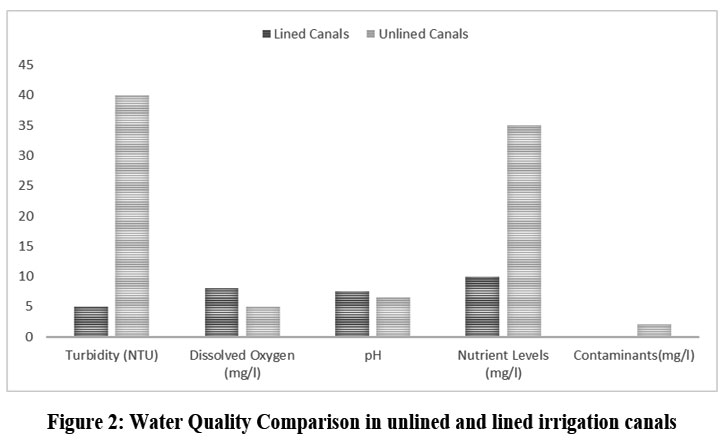 |
Figure 2: Water Quality Comparison in unlined and lined irrigation canals |
Also, the water quality monitoring is one of the highest priorities in environmental protection policy. Nature does not contain water in its pure form; instead, it constantly contains salts, suspended particles, and dissolved gases, which give water distinct characteristics in different places. While some of the minerals in water are necessary for human health, too much of them could be harmful. Water’s physical and chemical qualities are altered by a number of substances. By minimizing and controlling the incidence of pollutant–oriented problems, we can serve the appropriate quality of water for various purposes such as potable use and irrigation water use. Various physical, chemical, and biological parameters are used to identify the water quality. The physical, chemical, and biological aspects of water quality are changing due to human and natural forces; therefore, water quality science will continue to be a concern for scientists and engineers in the years to come.
And the last thing is the operational cost comparison of lined and unlined irrigation canal. So, in operational cost calculation, we can sum up the construction cost, maintenance cost, Energy costs (Pumping and Distribution), and labor cost.45 And from above, we can see that unlined canals require high power for pumping and distribution, and also require more labor and maintenance, but the construction cost of unlined canals is less. Hence, from Table 7 data we can say lined canals have efficient water carriage and with less operational costs.
Table 6: Operational Cost Comparison 18,46,47
| Cost Factor | Lined Canals ($) | Unlined Canals ($) |
| Construction Cost (per km) | 200,000 | 50,000 |
| Water Loss Cost (per year) | 5,000 | 20,000 |
| Maintenance Cost (per year) | 2,000 | 10,000 |
| Energy Cost (per year) | 3,000 | 7,000 |
| Labor Cost (per year) | 1,000 | 4,000 |
Water Use Efficiency
The ratio of crop production to the amount of water used for evapotranspiration is how WUE is measured.43 This metric highlights the connection between water intake and crop productivity by taking into account the full water utilization process, from soil moisture uptake to its function in transpiration. In this regard, WUE is essential for maximizing irrigation techniques and reducing water loss, particularly in areas with limited water supplies. Water Use Efficiency is a key factor in irrigation, demonstrating the precision with which water is utilized for agricultural production.48 According to studies, lined canals can raise WUE by 20–40%, depending on the environmental factors and the type of lining material utilized.

Water used by crops is the amount of water that reaches the crops’ root zone and contributes to growth.49
Table 7: Water Use Efficiency in Lined vs Unlined Canals18
| Canal Type | Seepage Loss (%) | Evaporation Loss (%) | Water Delivered to Crop Root Zone (m3) | Water Use Efficiency (WUE) |
| Unlined Canal | 30-50% | 5-10% | 500-700 m3 (per 1000 m3 diverted) | 50-70% |
| Lined Canal | <10% | 5-10% | 850-950 m3 (per 1000 m3 diverted) | 85-95% |
By lowering water losses from seepage, lined irrigation canals provide a notable increase in water use efficiency. This results in increased agricultural output and more efficient water supply to the crops. Lined canals are an essential investment for sustainable irrigation methods because of the long-term advantages of increased WUE, particularly in areas with limited water resources. WUE is lower because there are large water losses in unlined canals before they reach the fields.50
Let’s assume there is 30-40% of seepage loss in unlined canals, and water diverted from the source is 1000 m3, so water reaching the crop root zone is approximately. 600 m3. Hence, WUE is (600/1000)* 100 = 60%. But in lined canals, seepage loss is typically less than 10%, so out of 1000 m3 of diverted water from the source, only 900 m3 reaches the crop root zone. Hence, WUE is (900/1000)* 100 = 90%. Water use efficiency has an inverse relation with seepage loss. So, indirectly, the water use efficiency can be affected by many factors like the hydraulic efficiency of soil, canal geometry, and other soil properties like soil compaction, soil salinity, and soil permeability.42
Environmental Impacts and Sustainability
From a sustainability perspective, the decision to line canals should account for both environmental and economic factors, particularly as climate change places additional stress on water resources. In regions where groundwater levels are severely depleted, lined canals may be more sustainable in the long term, despite their initial ecological trade-offs, as they help conserve water for agricultural productivity and reduce dependency on surface water sources. Hybrid approaches, such as partially lined canals or strategically lining sections most prone to seepage, offer a compromise that balances groundwater recharge with water conservation.51
Lined and unlined irrigation canals have quite different environmental impacts and sustainability, mostly because of their interactions with the soil, water supplies, and surrounding ecosystem. There are some positive impacts and negative impacts to the environment and sustainability. The environmental impact or sustainability is in the form of Water conservation, Soil health and erosion, Biodiversity and ecosystem services, energy use and carbon foot-printing and chemical use and contamination in the flowing water.52 More and more studies are looking into the use of low-carbon and eco-friendly materials for canal linings, which could improve water savings and lessen environmental effects. Promising alternatives for canal linings that could lessen seepage and the environmental impact of construction are biodegradable or recycled materials.15 Evaluating the long-term environmental effects of lined and unlined canals is still crucial for striking a balance between ecological preservation and agricultural productivity as water resource management moves toward sustainable approaches. Table 9 represents comparative analysis in lined and unlined canals there positive and negative impact by the factors like: Water conservation, Soil health and Erosion, Biodiversity and ecosystem services,53 Energy use and carbon footprint, carbon use and contamination.54
Table 8: Comparative Analysis of environmental Impacts and Sustainability 8,47,55–57
| Environmental impact and Sustainability | Lined Canals | Unlined Canals |
| Water Conservation | Positive Impact: Canals with lining significantly reduce water seepage, which helps preserve sources of water, particularly in areas where water is scarce. Lined canals enhance sustainable water management by reducing water loss.Negative Impact: While lined canals save water, the production, conveyance, and implementation of the lining materials, such as concrete, plastic, or asphalt, can have a substantial carbon footprint. These materials may harm the environment and are not biodegradable. | Positive Impact: In certain areas, seepage from unlined canals can replenish nearby groundwater aquifers, assisting in the maintenance of groundwater levels. This advantage is contingent upon the water table and local geology, though.Negative Impact: Seepage causes unlined canals to lose a lot of water, which results in wasteful water use. This can lead to unsustainable water management by depleting nearby water supplies and leading to excessive groundwater extraction. |
| Soil health and Erosion | Positive Impact: By reinforcing the sides of the canal with impermeable materials, lined canals stop soil erosion along their banks. This improves water quality and reduces the need for desilting by reducing sedimentation in the water. Negative Impact: By preventing natural interaction between water and soil, lined canals can disrupt the natural hydrological cycle in the area. This can affect local ecosystems that rely on seasonal seepage or soil moisture from unlined canals. | Positive Impact: Unlined canals can occasionally help retain soil moisture and recharge groundwater, which is beneficial for agriculture and ecosystems that depend on adjacent wetlands.Negative Impact: Sediment deposition in the canal and downstream water bodies may result from unlined canals’ susceptibility to bankside soil erosion. By adding sediments and contaminants, this not only raises maintenance requirements but also lowers the quality of the water. |
| Biodiversity and Ecosystem Services | Positive Impact: Lined canals can keep water cleaner (reduced sedimentation, better flow control), which benefits aquatic ecosystems downstream. If the water is utilized for fish farming or other regulated biological systems, this can be especially advantageous. Negative Impact: The habitats of plants, insects, and tiny animals that may rely on unlined, naturalized watercourses may be disrupted by lined canals, which can act as a barrier between the waterway and the natural environment. Less ecosystem services, such habitat for aquatic or semi-aquatic animals, are frequently provided by lined canals. | Positive Impact: Because of their porous borders, unlined canals enable water to interact with the ecosystems around them, possibly promoting richer biodiversity by allowing water infiltrate into the land. Negative Impact: However, aquatic life downstream may suffer due to the high turbidity and water loss in unlined canals, particularly if the sediments and pollutants lower the water quality. Unlined canals may potentially become home to exotic plants and weeds, which would further reduce biodiversity.
|
| Energy use and Carbon Footprint | Positive Impact: Lined canals enhance water conveyance efficiency, reducing the need for energy-intensive pumping and re-routing of water. This can lead to reduced energy use over the operational life of the canal system.Negative Impact: Because lining materials like concrete or asphalt must be produced and transported, building lined canals frequently requires a large amount of energy. Furthermore, it may be harmful to the environment to dispose of these materials at the end of their life cycle. | Positive Impact: As unlined canals don’t require the production or installation of specialist materials like concrete or plastic, they demand less energy and resources during construction. Negative Impact: Unlined canals may need more energy to pump and move more water because of significant water loss and inefficient water conveyance. A higher carbon footprint during the operating phase may arise from this. |
| Chemical use and Contamination | Positive Impact: Lined canals prevent the leaching of agricultural chemicals and pollutants from the surrounding soil into the canal water. This improves water quality for downstream users and ecosystems.Negative Impact: Over time, especially in areas where fertilizers or pesticides are widely used for irrigation, lined canals may acquire chemical residues that are challenging to remove. | Positive Impact: Certain pollutants can be naturally filtered in some areas by the interaction of water and soil in unlined canals before they reach ecosystems downstream. This benefit is neither universal or dependable, though. Negative Impact: Unlined canals are more prone to contamination from fertilizers, pesticides, and other pollutants in the surrounding soil. As water seeps through the soil, it can pick up chemicals, leading to degraded water quality. |
Discussion
Effective canal lining is crucial since irrigation depends on them. The performance comparison of low-density polyethylene (LDPE)-lined canals with random rubble-masonry-lined canals (RR) and unlined canals for seepage is reviewed, along with an analysis of the economic acceptability of LDPE lining. A study has been carried out at Nandiyam Village, Vellore District, Tamil Nadu, India. The inflow-outflow method is used to calculate the seepage losses of unlined masonry and random rubble masonry lining. The predicted seepage loss from LDPE lining was 2%, whereas that from RR lining was 8% and that from an unlined canal was 19%. According to the data, LDPE lining uses less water than unlined canals and RR lining.58
According to one study, the conveyance efficiency of unlined canals is normally between 50 and 60 percent; however, in certain areas, the efficiency of lined canals can reach 88 to 95 percent.59 This distinction is especially important in places where water is scarce since every unit of water that is saved can be used to irrigate crops. However, some consumers may be put off, particularly in underdeveloped nations, by the high upfront costs of lining materials and installation. Nevertheless, over time, lining may prove to be a wise investment due to the long-term savings in water supplies and upkeep.47 As seen in the initiatives of India’s Central Water Commission and other organizations that seek to maximize water consumption in agricultural systems through lined canals and water audits, a number of guidelines and policy recommendations support canal lining to increase irrigation efficiency.60 This tension prompts the need for a decision-making framework that weighs:
Hydraulic performance (seepage loss, conveyance efficiency)
Economic consideration (installation cost vs. long-term water savings)
Environmental context (water scarcity, climate vulnerability)
Social dynamics (local governance, maintenance capacity, theft prevalence)
Given that agriculture uses around 80% of the freshwater used worldwide and that efficiency is expected to rise in response to climate change and the increasing demand for water from other sectors, these measures are crucial. The roughness coefficient, sediments, flow velocity, wetted parameter, breaches, theft cases, bed slope, side slope, water surface profile, hydraulic radius, crop yield, and vegetation growth area are among the hydraulic, geometrical, and socioeconomic parameters of the channel, distributaries, and minors that have been experimentally observed.11 The design and pre-lining data have been compared with the obtained findings. To estimate seepage losses, eight seepage tests using the ponding method and ten seepage tests using the inflow-outflow approach were carried out. Nearly every parameter deviated from the design values, according to the results. A thorough analysis of the socioeconomic factors has been done. Seepage test results indicate a roughly 78% decrease in losses.11
Conclusion
This review emphasizes the major differences in the performance of lined and unlined irrigation canals. Although lined canals have less seepage and better hydraulic efficiency, they are more expensive to build and may have negative environmental effects. Unlined canals can be more sustainable and blend in better with natural systems, although being more vulnerable to seepage and maintenance problems. Future studies should concentrate on canal design and material optimization to balance cost, environmental effect, and efficiency. Advances in hydrological modeling and remote sensing technologies could also provide valuable insights for accurately assessing canal performance and planning tailored canal lining strategies. Ultimately, understanding the trade-offs between lined and unlined irrigation systems can guide agricultural and water management policies toward more sustainable and efficient use of water resources in agriculture.
Acknowledgement
I want to express my sincere gratitude and special thanks are extended to my guide Dr. Amandeep Singh and my mentor Dr. Ram Naresh and Dr. Love Kumar for their invaluable guidance and constructive feedback throughout the review and writing process. The insights from peer reviewers have also been instrumental in enhancing the quality and depth of this work.
Funding Sources
The author(s) received no financial support for the research, authorship, and/or publication of this article.
Conflict of Interest
The authors do not have any conflict of interest.
Data Availability Statement
This statement does not apply to this article.
Ethics Statement
This research did not involve human participants, animal subjects, or any material that requires ethical approval.
Informed Consent Statement
This study did not involve human participants, and therefore, informed consent was not required.
Permission to reproduce material from other sources
Not Applicable.
Author Contributions
Atish: conception, research, organization, writing of this review paper, and approved the final manuscript.
Amandeep Singh: supervision, critical review, editing, and approved the final manuscript.
Ram Naresh: supervision, critical review, editing, and approved the final manuscript.
Love Kumar: supervision, critical review, editing, and approved the final manuscript.
References
- Pimentel D, Petrova T, Riley M, Jacquet J, Ng V, Honigman J, Valero E. Conservation of biological diversity in agricultural, forestry, and marine systems. In: Pimentel D, ed. Food, Energy, and Society. 3rd ed. Boca Raton, FL: CRC Press; 2007:221-244.
CrossRef - Bruinsma, J. World agriculture: towards 2015/2030: an FAO study;2017. Routledge.
CrossRef - Samir, A., El Shiekh, H., El-Dawy, M., El-Zayat, Y., & El-Molla, D. (2023, February). Water losses from irrigation canals and their modern sustainable solutions-a review. In Proceedings of the international conference on smart cities (Vol. 27).
- Bansal R. Haryana Irrigation Department. https://phedharyana.gov.in/WriteReadData/WSSO/Presentations/Presentation for PHED training on 12.09.2012 Sh Rajeev Bansal, EE Irrigation.pdf
- Kumar, A., Kumar, R., & Kaur, N. Changing Pattern of Irrigation Intensity in Haryana: A Geographical Analysis. Indian Journal of Sustainable Development. 2024; 10(1), 01-11.
- Gautam, R. CHANGING IRRIGATION STRUCTURE IN HARYANA: A GEOGRAPHICAL STUDY. Journal Homepage: http://ijmr. net. in. 2022; 10(12).
- Timothy K, Division EA, Substances T. IRRIGATION/Methods 273. Published online 2010.
- Wachyan, E. D. U. A. R. D., & Rushton, K. R. Water losses from irrigation canals. Journal of Hydrology. 1987; 92(3-4), 275-288.
CrossRef - Arshad, M., Ahmad, N., Usman, M., & Shabbir, A. Comparison of water losses between unlined and lined watercourses in Indus Basin of Pakistan. 2009
- Nam, W. H., Hong, E. M., & Choi, J. Y. Assessment of water delivery efficiency in irrigation canals using performance indicators. Irrigation science. 2016; 34(2), 129-143.
CrossRef - Zakir-Hassan, G., Kahlown, M. A., Punthakey, J. F., Shabir, G., Aziz, M., Sultan, M., … & Majeed, F. Evaluation of hydraulic efficiency of lined irrigation channels–A case study from Punjab, Pakistan. Hydrology Research. 2023; 54(4), 523-546.
CrossRef - Kraatz DB. Irrigation canal lining. Food Agriculture Organ United Nations. Published online 1977.
- Mohammed, M., & Tefera, A. Effect of reference conveyance parameter usage on real time canal performance: The case of Fentale irrigation scheme in Ethiopia. Computational Water, Energy, and Environmental Engineering. 2017; 6(01), 79.
CrossRef - Jadhav, P. B., Thokal, R. T., Mane, M. S., Bhange, H. N., & Kale, S. R. improving conveyance efficiency through canal lining in command area: A Case Study. International Journal of Engineering Innovation & Research. 2014; 3(6), 820-826.
- Bhardwaj, A. K., Mishra, V. K., Singh, A. K., Arora, S., Srivastava, S., Singh, Y. P., & Sharma, D. K. Soil salinity and land use-land cover interactions with soil carbon in a salt-affected irrigation canal command of Indo-Gangetic plain. Catena. 2019; 180, 392-400.
CrossRef - Ahuchaogu, I., Etim, I., & Anwana, E. EVALUATION OF SEEPAGE LOSSES IN AN EARTH LINED CANAL: A CASE STUDY OF UNIVERSITY OF UYO FARM, UYO, NIGERIA. International Journal of Engineering Sciences and Management Research. 2015; 2(2), 2349-6193.
- Salmasi, F., & Abraham, J. Predicting seepage from unlined earthen channels using the finite element method and multi variable nonlinear regression. Agricultural water management. 2020; 234, 106148.
CrossRef - Michael, A. M. Irrigation theory and practice-2Nd Edn: Theory and Practice. Vikas publishing house. 2009
- Swamee, P. K., Mishra, G. C., & Chahar, B. R. Design of minimum seepage loss canal sections. Journal of Irrigation and Drainage Engineering. 2000; 126(1), 28-32.
CrossRef - Kahlown, M. A., & Kemper, W. D. Seepage losses as affected by condition and composition of channel banks. Agricultural water management. 2004; 65(2), 145-153.
CrossRef - Ghazaw, Y. M. Design and analysis of a canal section for minimum water loss. Alexandria Engineering Journal. 2011; 50(4), 337-344.
CrossRef - El-Molla, D. A., & El-Molla, M. A. Seepage losses from trapezoidal earth canals with an impervious layer under the bed. Water Practice & Technology. 2021; 16(2), 530-540.
CrossRef - Salmasi, F., & Abraham, J. Predicting seepage from unlined earthen channels using the finite element method and multi variable nonlinear regression. Agricultural water management. 2020; 234, 106148.
CrossRef - Elkamhawy, E., Zelenakova, M., & Abd-Elaty, I. Numerical canal seepage loss evaluation for different lining and crack techniques in arid and semi-arid regions: A case study of the river Nile, Egypt. Water. 2021; 13(21), 3135.
CrossRef - Uchdadiya, K. D., & Patel, J. N. Seepage losses through unlined and lined canals. International Journal of Advances in Applied Mathematics and Mechanics. 2014; 2(2), 88-91.
- Xudonng Han XW et a. An Experimental Study on Concrete and Geomembrane Lining Effects on Canal Seepage in Arid. Water. 2020;12(2343):1-21.
CrossRef - Suresh, R. Soil and water conservation engineering. Standard Publishers Distributors. 2012
- Alam, M. M., & Bhutta, M. N. Comparative evaluation of canal seepage investigation techniques. Agricultural Water Management. 2004; 66(1), 65-76.
CrossRef - ISLAM, Z. Variation of Seepage Loss over Time in the Lined and Unlined Canals of the Teesta Barrage Project. Rural and Environment Engineering, 1999(36), 20-34.
- Worstell, R. V. Estimating seepage losses from canal systems. Journal of the irrigation and Drainage Division. 1976; 102(1), 137-147.
CrossRef - Martin, C. A., & Gates, T. K. Uncertainty of canal seepage losses estimated using flowing water balance with acoustic Doppler devices. Journal of Hydrology. 2014; 517, 746-761.
CrossRef - Karad, M. M., Panke, R. A., & Hangargekar, P. A. Seepage losses through canals & minors. International Journal of Engineering Research and Technology. 2013; 2(11), 1125-1134.
- Koerner, R. M. Designing with geosynthetics-Vol. 1(Vol. 1). Xlibris Corporation. 2012
- Akkuzu, E. Usefulness of empirical equations in assessing canal losses through seepage in concrete-lined canal. Journal of Irrigation and Drainage Engineering. 2012; 138(5), 455-460.
CrossRef - Hedley, C. B., & Yule, I. J. A method for spatial prediction of daily soil water status for precise irrigation scheduling. Agricultural Water Management. 2009; 96(12), 1737-1745.
CrossRef - Das, B. M., & Sobhan, K. Principles of geotechnical engineering. 2006
- Chow, A. T., Tanji, K. K., & Gao, S. Modeling drainwater selenium removal in wetlands. Journal of irrigation and drainage engineering. 2004; 130(1), 60-69.
CrossRef - Singh, A. K. Stability analysis of the downstream slope of a levee. Geomechanics and Geoengineering. 2016; 11(2), 125-134.
CrossRef - Lindsay, J. et al., Impact of Flow Velocity on Seepage Loss in Unlined Irrigation Canals. 2011; 137(3),123-130.
- Mansour, H. A., Abd El-Razek, T. M., & Rady MA. Performance Evaluation of Different Canal Linings for Water Saving in Irrigation Canals. Water Management Resea. Water Management Resources. 2018; 36(2), 119-129.
- Chowdary, V. M., Rao, M. S., & Jaiswal CS. Study of Seepage Losses and Canal Efficiency in Lined and Unlined Canals. Agriculture Water Management. 2009; 96(12), 1819-1828.
- Ritter SE. Canal Maintenance Effects on Irrigation water quality. Published online, 1993; 1-196.
- Zwart, S. J., & Bastiaanssen, W. G. Review of measured crop water productivity values for irrigated wheat, rice, cotton and maize. Agricultural water management. 2004; 69(2), 115-133.
CrossRef - Azzam, A. M., Ismail, N. M., & Mostafa, B. B. Impact of lining material on chemical and microbial irrigation water quality of Nubaria canal, Egypt. Asian Pacific Journal of Tropical Disease. 2016; 6(2), 126-132.
CrossRef - Murti, N. G. K. Irrigation Canal Systems—Construction Cost Economics. Water and Energy International. 1981; 38(4), 305-318.
- Notes on Demands for Grants , 2025-2026 MINISTRY OF JAL SHAKTI DEMAND NO . 62 Department of Water Resources , River Development and Ganga Rejuvenation ( In ` Crores ) Actual 2023-2024 Budget 2024-2025 Revised 2024-2025 Budget 2025-2026 Establishment Expen.; 2026.
- Ministry of Jal Shakti Department of Water Resources , River Development and Ganga Rejuvenation 1 . National River Conservation Programme ( CS ) Demand No . 61.; 2020.
- Nyaga, N. C. Evaluation of seepage losses in unlined canals of Bura irrigation scheme(Doctoral dissertation, University of Nairobi). 1991
- Rawat, S. S., Lahari, S., & Gosain, A. K. Integrated water resource assessment of irrigation system of Haryana. Agricultural Sciences. 2018; 9(04), 489.
CrossRef - Li, S., Kang, S., Zhang, L., Du, T., Tong, L., Ding, R., … & Xiao, H. Ecosystem water use efficiency for a sparse vineyard in arid northwest China. Agricultural Water Management. 2015; 148, 24-33.
CrossRef - Foster, S. S. D., & Perry, C. J. Improving groundwater resource accounting in irrigated areas: a prerequisite for promoting sustainable use. Hydrogeology Journal. 2010; 18(2), 291-294.
CrossRef - Earhart, W. Book of Proceedings. Music Educators Journal. 1936; 22(4), 65-65.
CrossRef - Nofal, E., Eid, A., Morsy, W., & Alsittawy, M. Assessing the impacts of canal rehabilitation and lining on groundwater conditions. Water Science. 2024; 38(1), 348-358.
CrossRef - Balasubramanian, R., Saravanakumar, V., & Boomiraj, K. (2017). Ecological footprints of and climate change impact on rice production in India. In The Future Rice Strategy for India(pp. 69-106). Academic Press.
CrossRef - Filshill, A., & Martin, J. Comparison of carbon footprints for various stormwater retention systems. In Geosynthetics. 2011;(Vol. 29, No. 4, p. 24).
- Debnath, A., Sarkar, D., & Talukdar, G. Biodiversity and Habitat Quality Assessment of Unlined Lower Ganga Canal. Available at SSRN 4183211.
- Hrozencik, R. A., Potter, N. A., & Wallander, S. A national estimate of irrigation canal lining and piping water conservation(No. w30123). National Bureau of Economic Research. 2022
CrossRef - Sharief, S. M. V., & Zakwan, M. Comparative analysis of seepage loss through different canal linings. International Journal of Hydrology Science and Technology. 2021; 12(4), 490-500.
CrossRef - Osman, E. A. M., Bakeer, G. A., Abuarab, M. E., & Eltantawy, M. T. Improving irrigation water conveyance and distribution efficiency using lined canals and buried pipes under Egyptian condition. Misr Journal of Agricultural Engineering. 2016; 33(4), 1399-1420.
CrossRef - Maniar, M. The Infrastructure Sector in India 2012. In India Infrastructure Report 2012. New Delhi: Routledge India; 2016:249-262