


 PDF Downloads:
399
PDF Downloads:
399


Introduction
Agriculture is the backbone of India’s economy, as the country is primarily an agricultural economy, where more than 58 per cent of the population earns their livelihood from this sector.1 However, over the years, fragmented landholdings, low bargaining power, limited market access, and a lack of institutional support have made farming less viable, especially for small and marginal farmers.2 As a result, the concept of Farmer Producer Organisation (FPO) has emerged as an institutional mechanism to aggregate farmers, enhance economies of scale and bargaining power, as well as improve market linkages.3 Further, the Government of India strengthened this approach with the launch of the Central Sector Scheme for the formation and promotion of 10,000 FPOs, aimed at enhancing farmers’ income and ensuring sustainable agricultural development.4
Despite the immense potential, FPOs are not free from operational and governance-related challenges. Inadequate managerial capacity, lack of professional leadership, weak governance practices, and limited financial transparency are a few of the challenges faced by the FPOs in India.5 As the concept of FPOs is relatively new, most of the board members and office bearers are first-generation entrepreneurs with limited exposure to organisational management and statutory compliance.6 These challenges threaten the long-term sustainability and effectiveness of FPOs across the country, including in Assam.
From a theoretical perspective, the functioning of FPOs may be understood through Agency Theory, Institutional Theory, the Resource-Based View, and Human Capital Theory, which together explain governance, compliance, managerial capabilities, and board competencies.
Several studies have explored different facetsof FPO performance; however, there remains a gap in integrating organisational structure, governance practices, capacity-building interventions, financial transparency, and board-level competency within a single analytical framework and in formally linking these structural characteristics to financial performance through inferential analysis.
Addressing this gap, the present study adopts a comprehensive approach to evaluate the performance of FPOs in Assam. It seeks to examine the organisational structure of FPOs and the qualifications and experience of CEOs, the nature and extent of capacity-building initiatives provided by ClusterBased Business Organisations (CBBOs), the level of financial transparency and record-keeping practices, and finally, the knowledge of board members regarding governance and regulatory frameworks. Apart from descriptive profiling, the study tests four theoretically grounded hypotheses linking organisational variables to annual turnover using Chi-square and Spearman’s rank correlation.
These findings are expected to provide valuable insights for policymakers, implementing agencies, and practitioners, particularly in designing targeted capacity-building interventions and strengthening governance mechanisms for the long-term sustainability of FPOs.
Review of Literature
Numerous studies have examined various dimensions of FPO performance, such as organisational structure, governance practices, managerial practices and institutional support. However, the results are often fragmented, and important gaps remain in understanding how governance structures relate to board members’ competencies. This study aims to fill the important gaps revealed through a thematic synthesis of these dimensions.
Organisational Structure and Performance
The organisational structure of an FPO plays a crucial role in determining its effectiveness and sustainability. Studies have highlighted that FPOs with optimal membership size, diversified commodity portfolios, and well-defined organisational hierarchies tend to perform better in terms of market access and financial outcomes.7,8A number of studies have shown that through the formation of FPOs, farmers can reduce transaction costs, improve access to markets, and increase their bargaining power, ultimately improving farmers’ incomes.1,9 Additional research highlights that FPOs facilitate access to quality inputs at discounted prices, provide essential market information, assist with institutional linkages and extension support, and ultimately contribute to the socio-economic development of small and marginal farmers.10-12
Despite these structural advantages, many FPOs struggle with sustainability. This indicates that a well-designed structure alone is insufficient; strong governance and managerial skills are essential as well.
Governance Practices and Theoretical Foundations
Previous studies on FPOs revealed that governance failures often arise from a lack of role clarity among directors, weak ownership, poor compliance awareness, political interference, and limited business skills among both board members and key managerial personnel.13,14 Agency Theoryexplains these challenges through the separation of ownership (farmers) and control (board members, CEOs, and office bearers), creating information asymmetry and accountability gaps.15 Effective governance requires legally compliant board structures, regular meetings, proper documentation, transparency in financial transactions, timely elections, and inclusive representation, especially of women and expert directors.4,16
Institutional Theory further explains why FPOs adopt formal governance structures, such as conducting meetings, maintaining records and books of accounts, as part of statutory requirements and policy frameworks.4,17However, studies consistently identify gaps in statutory compliance, legal provisions, and governance procedures despite directors’ broad awareness of organisational objectives.18,19
Managerial Competencies
The Resource-Based View emphasises organisational resources, including managerial competence, leadership quality, governance systems, and strategic coordination, which shape the performance and sustainability of an organisation.20 Many FPOs face constraints such as inadequate professional management, lack of a qualified and experienced CEO, weak business planning, poor market orientation, low financial literacy, and insufficient managerial capability.5,14,21 Producer companies often exhibit financial weakness due to low equity, small-scale operations, and limited managerial and entrepreneurial competence.2,21
Additionally, Human Capital Theory complements this perspective by emphasising that education, knowledge, skills, and experience shape individual and organisational productivity.22The role of professional management, particularly the CEO, is critical for the success of FPOs. Studies confirm that the presence of a qualified and experienced CEO significantly enhances operational efficiency, business planning, and market integration.23
Capacity Building and Institutional Support
Training and capacity building in governance, finance, legal compliance, marketing, leadership, and business planning have been recognised as essential for enhancing board effectiveness and organisational sustainability.24,25Training initiatives should be implemented to provide members with increased exposure, thereby improving their management perspective and efficiency within the FPCs.26Similarly, CBBOs and promoting agencies play critical roles in mobilisation, governance strengthening, stakeholder engagement, and business incubation, although the extent and quality of such support vary significantly.27,28
Research Gap
The literature review highlights three main gaps. First, most studies examine farmer benefits, service delivery, or organisational performance separately, rather than integrating organisational structure, governance, capacity-building, financial transparency, and board skills within a unified framework. Second, although governance challenges are well documented, few studies systematically assess board members’ actual knowledge of statutory and procedural requirements alongside organisational compliance levels. Third, there is still little empirical research on FPO governance in Assam, despite FPOs having grown in the state due to national policy efforts.
Contribution of the Study
To address these gaps, this study adopts a comprehensive analytical approach, examining organisational structure, governance practices, managerial skills, capacity-building efforts, financial transparency, and board-level governance. Distinctively, the research formulates four testable hypotheses based on a multi-theory framework and utilises Chi-Square Testsand Spearman’s rank correlation to examine the relationships between structural variables and annual turnover. By examining both institutional configurations and individual governance competencies, while testing performance relationships inferentially, the research offers a fuller and more analytically rigorous picture of FPO performance.
The findings add to existing research by showing the importance of governance skills for organisational outcomes. They also point out that the difference between what people think they know and what they actually know is a major barrier to effective governance.
Objectives of the Study
The main aim of the study is to evaluate the performance of FPOs in management operations and the Board of Directors’ knowledge of various aspects of FPO governance and management. The study has the following specific objectives.
To examine the organisational structure of FPOs and the qualifications and experience of their CEOs.
To evaluate the capacity building and training offered by CBBOs or resource institutions to the members and management personnel of FPOs.
To evaluate the level of financial transparency and record-keeping practices within FPOs.
To measure the knowledge and awareness of board members regarding legal and regulatory frameworks governing FPOs.
To test the association between key organisational variables and annual turnover using inferential statistical methods.
Research Questions
What is the organisational structure of the FPO, and what qualifications and experience does the CEO possess?
What capacity building and training do the CBBO/Resource Institutions offer the management team and FPOs members?
How transparent are the financial transactions within the FPO?
What level of knowledge and awareness do board members have regarding the legal and regulatory frameworks governing FPOs?
What is the association between membership size, vintage, CEO qualification, female board representation, and annual turnover of FPOs?
Theoretical Framework and Hypothesis Development
This study uses a combined framework that draws on multiple theories. Each theory helps generate specific, testable hypotheses about the association between organisational variables and annual turnover. This approach ensures that the theoretical framework connects directly to the analytical findings.
Resource-Based View -Member Size as Organisational Resource
The Resource-Based View20 holds that collective resources that are valuable, rare, and inimitable drive organisational performance. In FPOs, membership size is such a resource; a larger membership provides greater equity, higher financial volume, and stronger market bargaining power.
H1: FPOs with larger membership bases are associated with higher annual turnover.
Institutional Theory – Organisational Vintage and Accumulated Learning
Institutional Theory17 posits that organisations gain legitimacy and institutional capabilities as they mature. The age of an FPO, measured by years in operation, serves as a proxy for the development of member mobilisation, market connections, and governance practices that contribute to revenue generation.
H2: Older (more established) FPOs are associated with higher annual turnover than newly formed FPOs.
Human Capital Theory – CEO Educational Background
Human Capital Theory22 argues that domain-specific knowledge drives organisational productivity. CEOs with agriculture-related qualifications are expected to deliver superior technical decision-making, value-add, and market strategy, thereby enhancing the organisation’s overall productivity.
H3: FPOs managed by CEOs with agriculture-related qualifications are associated with higher annual turnover than FPOs with non-agriculture-qualified CEOs.
Agency Theory – Board Governance and Female Representation
Agency Theory15 posits that conflicts of interest between principals (farmer-members) and agents (board members and CEOs) create information asymmetry and governance risks. In FPOs, weak oversight structures and limited diversity in board composition may reduce the effectiveness of monitoring and decision-making processes. The inclusion of female directors can strengthen governance through improved monitoring efficiency, greater diversity in decision-making perspectives, and enhanced risk governance practices, which collectively contribute to more balanced and accountable organisational outcomes.
H4: FPOs with female directors on the board are associated with significantly different annual turnover levels compared to FPOs without female directors.
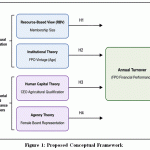 |
Figure 1: Proposed Conceptual Framework |
Figure 1 illustrates the four theoretical pathways linking the four variables to annual turnover. Testing of these pathways is reported in the Results section.
Methodology
The studyused a quantitative approach. Both primary and secondary data were utilised in the study. A stratified multistage mixed sampling technique was adopted to ensure representativeness across six diverse agro-climaticzones. Each stratum was coded as S1, S2, S3, S4, S5, and S6 for the Lower Brahmaputra Valley Zone, Central Brahmaputra Valley Zone, Upper Brahmaputra Valley Zone, North Bank Plains Zone, Barak Valley Zone, and Hills Zone, respectively.
Sampling Design and Zone Selection Justification
In the first stage, three zones S1, S2, and S4 were selected using purposive sampling, as they together account for 282 of the 385 registered FPOs in Assam (73.2%), representing the highest concentrations of FPO activity in the state. Beyond FPO concentration, the selected zones encompass Assam’s primary paddy, oilseed, and horticultural production belts (Lower and Central Brahmaputra valleys) and the forested north bank plains (North Bank Plains Zone), ensuring representation of both the alluvial plains economy and diversified agricultural systems. However, this approach enhances coverage of major FPO clusters but may limit generalisability to underrepresented zones, particularly those with lower FPO density or differing agro-ecological conditions. The three excluded zones in the study, S3, S5, and S6, correspond to the Upper Brahmaputra Valley, the Barak Valley, and the Hills Zone, respectively, and account for only 103 of the 385 registered FPOs (26.8%). Moreover, the Hill Zone (S6) primarily comprises tribal and hill-based FPOs operating under distinct agro-ecological conditions, which would require a distinct analytical framework. The purposive exclusion of these zones was therefore a deliberate methodological decision aimed at preserving internal consistency within the sample and ensuring that the findings drawn are reflective of the prevailing conditions in Assam’s main FPO landscape, rather than merging distinct structural contexts. This method follows the established practices in purposive zone selection used in various agricultural surveys and research across the country. It focuses on maintaining analytical integrity rather than covering a wide geographic area when population heterogeneity is high. This limitation in scope is clearly recognised and discussed in the limitations section under the conclusion part. Out of the 282 FPOs in the selected strata, a sample of 56 FPOs representing 20% was drawn using proportional allocation.
In the second stage, districts within each selected zone were selected using simple random sampling. Four districts were selected from the S1Zone due to a higher number of districts, and two districts each from the S2 and S4 Zones.
In the third stage, FPOs within these districts were selected usingsimple random sampling, with at least 3 FPOs per district.
At the ultimate stage, two categories of respondents were selected from each FPO. The Chief Executive Officer (CEO), or an equivalent office bearer in their absence, was chosen as the key informant. Additionally, five board members from each FPO were selected using quota sampling. Thus, the total number of samples for the study is as follows.
Table 1: Sample Size Proposed Versus Achieved
| Respondents Categories | Sample Size Proposed | Sample Size Achieved | Rate of non-response (in %) |
| FPO In Charge | 56 | 56 | 0% |
| Board of Directors | 280 | 270 | 3.5% |
| Total | 336 | 326 | 3.0% |
Primary data were collected through face-to-face interviews using separate structured schedules for each respondent category. The data-collection instruments were developed in three stages. Firstly, a comprehensive review of the literature on FPO was conducted to identify potential questions. Secondly, they were validated with ten key experts from implementing agencies, CBBOs, NGOs, FPOs, and academia, and finally, the schedules were pilot-tested with respondents from five FPOs. The data were analysed using SPSS, employing descriptive statistics (frequencies, percentages, means, medians, and standard deviations) and composite index construction to assess governance knowledge. To test Hypotheses H1 to H4, Chi-Square Tests of independence and Spearman’s rank-order correlation were employed. Where cell frequencies fell below five in more than 20% of cells, Fisher’s Exact Test was substituted for robust inference. All tests used α = 0.05.
Further, the data on board knowledge partially overlaps with companion study.29 The present paper focuses on organisational variables and inferential analysis.
Results
This section presents the empirical findings on organisational structure, governance practices, capacity-building initiatives, financial transparency, board members’ knowledge levels, and the inferential analysis of organisational variables and annual turnover for FPOs in Assam. The analysis was based on data collected from 56 FPOs and 270 board members.
Organisational Profile
The study revealed that nearly 76% of FPOs were formed post the launch of the Central Sector Scheme for the Formation and Promotion of 10000 FPOs, indicating a recent surge in institutional formation.
In terms of membership, most FPOs had between 300 and 599 members, accounting for 66.1 percent of the sample. All 56 FPOs in Assam met the membership requirement, indicating strong compliance with foundational norms.
However, the turnover analysis of the FPOs revealed highly skewed performance: 42.9% of the FPOs reported annual turnover for 2023-24 between ₹ 1 and ₹ 9.99 lakhs, while only 8.9% reported turnover above ₹ 50 lakhs.
Table 2: Descriptive Statistics of Annual Turnover of FPOs During 2023-24
| Descriptive Statistics | Value |
| Mean annual turnover: | ₹29.33 Lakhs |
| Median: | ₹7.95 Lakhs |
| Range: | ₹0.00 to ₹500.00 Lakhs |
| Standard Deviation: | ₹84.48 Lakhs |
The median turnover of all surveyed FPOs was ₹ 7.95 lakhs, whereas the mean turnover is ₹ 29.33 lakhs, indicating a few large outliers. The significant variability in turnover, reflected by a standard deviation of ₹84.48 lakhs, indicates inconsistent performance across FPOs.
The major products handled by the FPOs include rice and maize (37.5%), followed by mustard (21.4%), animal husbandry (17.9%), fruits and vegetables (14.3%), sericulture (5.4%) and a small share in other products like bamboo and silage, reflecting regional agricultural patterns.
Leadership and Managerial Capacity
To make the FPO financially sustainable and ensure that it benefits farmers as an agricultural business, the FPO requires a professionally equipped manager or CEO.4 The findings revealed that 78.6% of FPOs had CEOs, while 21.4% of FPOs had no CEO on board, either due to resignation or a lack of qualified candidates.
Regarding CEOs’ qualifications, although 97.7% met the minimum educational requirement of graduation, only 9% have agriculture-related qualifications. The majority were graduates in non-agricultural disciplines, indicating a gap in domain-specific expertise.
Regarding the CEOs’ experience, 59.1% had prior work experience. It is preferable, though not mandatory, that the CEO have at least 3 years of relevant experience in the field of agribusiness.23 The study also found that most CEOs (43.2%) served for 1-2 years, reflecting the recent establishment of FPOs. Notably, 75% of CEOs were local residents, which enhances communication and trust with members.
Governance Structure and Board Composition
The governance structure of FPOs largely adheres to statutory norms. Approximately 98.2% of FPOs maintain board sizes within the prescribed range of 5 to 15 members, except for one FPO (1.8%), which has fewer than five members on its board.
As per the guidelines, there shall be adequate representation of women farmer members on the boards of the FPOs4. It was found that female representation on boards remained inadequate, with 30.4% of FPOs having no female directors. This highlights partial compliance with inclusivity guidelines and suggests the need for targeted interventions.
It is recommended that the Board of Directors may appoint one or more directors as expert directors, but not exceeding 20% of the total strengthof.23 Only 28.6% of FPOs had appointed expert directors. The absence of expert directors limits access to technical expertise in areas such as finance, marketing, and legal compliance.
It is also recommended that every year one-third of the board members retire and elections be held to appoint new directors.30 The study revealed that board rotation practices appear largely compliant, with only 5.4% of FPOs having directors serving beyond five years. However, this is partly due to the recent establishment of most FPOs.
Capacity Building Initiatives
CBBOs play a central role in strengthening FPOs through training and handholding support. The findings indicated strong performance in capacity-building initiatives. About 92.9% of FPOs reported that their board members had received training on governance and management. The types of training received included best agricultural practices, business plan preparation, marketing, finance, and legal aspects. Farmer-level training was comparatively weaker; about 25% of FPOs reported no farmer training, despite this being a core mandate under the Central Sector Scheme.
Another important responsibility of the CBBOs is to assist FPOs in regular interfaces with stakeholders. About 53.6% of the surveyed FPOs agreed that the CBBOs held regular meetings with stakeholders. Similarly, exposure visits were conducted in 89.3% of FPOs, and expert visits were conducted in 85.7%, providing practical learning opportunities and technical guidance. Training programmes covered diverse areas, including agricultural practices, business planning, marketing, financial management, and legal compliance.
However, stakeholder engagement remained relatively weak, with only 53.6% of FPOs reporting regular interaction facilitated by CBBOs with government departments and financial institutions. This gap may constrain access to credit, markets, and institutional support.
Financial Transparency and Record Keeping
Financial transparency is critical for building trust and ensuring sustainability. The study found that most FPOs followed standard accounting practices. A large majority of FPOs consistently issue receipts for cash received (89.3%) and obtain receipts for cash payments (83.9%), with none reporting a complete absence of documentation. Cash book maintenance is reported by 83.9% of FPOs, while 100% maintain a bank book, indicating universal documentation of bank-based transactions and relatively high transparency in financial flows. Input and produce registers, critical for tracking procurement, stock and sales at both input and output ends, are maintained by 92.9% of FPOs; the minority who do not maintain such registers are largely those with zero turnover, reflecting low or absent commercial activity rather than deliberate non-compliance.
Overall Compliance Assessment
The overall compliance assessment, based on findings across various dimensions, categorised them into four levels: Excellent (≥90%), Good (75–89%), Moderate (60–74%), and Poor (<60%).This assessment follows the standards outlined in the guidelines for the Central Sector Scheme and the preferred requirements specified in various literature.
Table 3: Compliance Assessment of Various Criteria
| No. | Criterion | Standard | N Compliant | % Compliant | Status |
| 1 | Membership requirement | Min 100 for North-Eastern and Hilly areas | 56 | 100% | Excellent |
| 2 | CEO Availability | Full-time professional | 44 | 78.6% | Good |
| 3 | Qualification of the CEO | A graduate (preferably with an agriculture background) | 43 | 97.7% | Excellent |
| 4 | Residency of the CEO | Preferably native | 33 | 75.0% | Good |
| 5 | CEOs experience | Preferably min. 3 years | 17 | 65.3% | Moderate |
| 6 | No. of Directors on the board | 5 to 15 members as per the Companies Act | 55 | 98.2% | Excellent |
| 7 | Female representation on the board | At least one female member | 39 | 69.6% | Moderate |
| 8 | Number of Expert Directors on the board | Preferably at least 1 but not exceeding 20% of the strength | 16 | 28.6% | Poor |
| 9 | Training of the board members | Primary responsibility of the CBBO | 52 | 92.9% | Excellent |
| 10 | Training of the Farmers | Primary responsibility of the CBBO | 42 | 75.0% | Good |
| 11 | Stakeholders Engagement by the CBBO | Primary responsibility of the CBBO | 30 | 53.6% | Poor |
| 12 | Exposure Visit for the Members | Primary responsibility of the CBBO | 50 | 89.3% | Good |
| 13 | The Expert’s visit to the FPO | Primary responsibility of the CBBO | 48 | 85.7% | Good |
| 14 | Issuance of receipts against cash received | Always | 50 | 89.3% | Good |
| 15 | Obtaining a receipt against a cash payment | Always | 47 | 83.9% | Good |
| 16 | Cash Book maintenance | Mandatory | 47 | 83.9% | Good |
| 17 | Bank Book maintenance | Mandatory | 56 | 100.0% | Excellent |
| 18 | Maintaining the Input & Produce Register | Preferable | 52 | 92.9% | Excellent |
Source: Field Survey
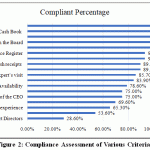 |
Figure 2: Compliance Assessment of Various Criteria |
Inferential Analysis: Association Between Organisational Variables and Annual Turnover
The organisational structure of the sampled FPOs was examined through four key variables: membership size, vintage, CEO educational qualification, and female representation. These variables were tested against the annual turnover of the FPOs using Chi-Square Tests of independence and Spearman’s rank correlation, in line with the theoretical framework. Turnover was categorised into three bands: below ₹10 lakhs, ₹10–30 lakhs, and above ₹30 lakhs. Five FPOs with missing turnover data were excluded, yielding an effective sample of n = 51.
Association Between Membership Size and Annual Turnover (H1)
FPOs were grouped into three membership size categories: 100–299, 300–599, and more than 600 members. The cross-tabulation (Table 4) shows a clear gradient: 83.3% of small FPOs (100–299 members) fall in the lowest turnover bracket (<₹10 lakhs), compared to 62.9% of medium FPOs (300–599) and only 20.0% of large FPOs (>600), of which 50.0% achieve turnover above ₹30 lakhs.
Table 4: Cross-Tabulation of Membership Size and Annual Turnover
| Member size | < ₹10 Lakhs | ₹10–30 Lakhs | > ₹30 Lakhs | Total | ||||
| Count | % | Count | % | Count | % | Count | % | |
| 100-299 | 5 | 83.3% | 1 | 16.7% | 0 | 0.0% | 6 | 100.0% |
| 300-599 | 22 | 62.9% | 8 | 22.9% | 5 | 14.3% | 35 | 100.0% |
| More than 600 | 2 | 20.0% | 3 | 30.0% | 5 | 50.0% | 10 | 100.0% |
| Total | 29 | 56.9% | 12 | 23.5% | 10 | 19.6% | 51 | 100.0% |
Source: Field Survey
Table 5: Chi-Square Tests of Member Size & Annual Turnover
| Test | Value | df | Asymptotic p | Exact p (2-sided) |
| Pearson Chi-Square | 10.048 | 4 | .040 | .037 |
| Likelihood Ratio | 10.551 | 4 | .032 | .047 |
| Fisher’s Exact Test | 8.823 | — | — | .037 |
| Linear-by-Linear | 8.993 | 1 | .003 | .003 |
| N of Valid Cases | 51 | — | — | — |
Note: 5 cells (55.6%) have expected count < 5; minimum expected count = 1.18. Fisher’s Exact Test results are prioritised.
Table 6: Spearman’s Rank Correlation of Member Size & Annual Turnover
| Member Size | Annual Turnover | |
| Correlation Coefficient (ρ) | 1.000 | .427** |
| Sig. (2-tailed) | — | .001 |
| N | 56 | 51 |
** Correlation significant at 0.01 level (2-tailed). Source: Field Survey.
Fisher’s Exact Test yielded a two-sided significance of p = 0.037, and the linear-by-linear association was highly significant (χ² = 8.993, df = 1, p = 0.003). Spearman’s correlation confirmed a moderate positive relationship (ρ = 0.43, p = 0.001). H1 is therefore supported: larger membership is significantly associated with higher turnover, consistent with the RBV proposition that collective scale constitutes a strategic organisational resource.
Association Between FPO Vintage and Annual Turnover (H2)
FPOs were grouped into three vintage categories: Old (2016–17 to 2019–20), Mid-age (2020–21 to 2021–22), and New (2022–23 to 2023–24). Among Old FPOs, 80% achieved turnover above ₹30 lakhs, compared to 13.3% of Mid-age and 12.5% of New FPOs (Table 7).
Table 7: Cross-Tabulation of FPO Vintage and Annual Turnover
| FPO Tenure | < ₹10 Lakhs | ₹10–30 Lakhs | > ₹30 Lakhs | Total | ||||
| Count | % | Count | % | Count | % | Count | % | |
| Old FPOs | 1 | 20.0% | 0 | 0.0% | 4 | 80.0% | 5 | 100.0% |
| Mid Age FPOs | 18 | 60.0% | 8 | 26.7% | 4 | 13.3% | 30 | 100.0% |
| New FPOs | 10 | 62.5% | 4 | 25.0% | 2 | 12.5% | 16 | 100.0% |
| Total | 29 | 56.9% | 12 | 23.5% | 10 | 19.6% | 51 | 100.0% |
Source: Field Survey
Table 8: Chi-Square Tests of FPO Vintage & Annual Turnover
| Test | Value | df | Asymptotic p | Exact p (2-sided) |
| Pearson Chi-Square | 12.968 | 4 | .011 | .011 |
| Likelihood Ratio | 10.584 | 4 | .032 | .047 |
| Fisher’s Exact Test | 8.777 | — | — | .047 |
| Linear-by-Linear | 4.006 | 1 | .045 | .058 |
| N of Valid Cases | 51 | — | — | — |
Note: 5 cells (55.6%) have expected count < 5; minimum expected count = 0.98. Fisher’s Exact Test results are prioritised.
Table 9: Spearman’s Rank Correlation of FPO Vintage and Annual Turnover
| FPO Vintage | Annual Turnover | |
| Correlation Coefficient (ρ) | 1.000 | .429** |
| Sig. (2-tailed) | — | .001 |
| N | 56 | 51 |
** Correlation significant at 0.01 level (2-tailed). Source: Field Survey.
Fisher’s Exact Test yielded p = 0.047, and Spearman’s ρ = 0.43 (p = 0.001). H2 is therefore supported. The finding is consistent with Institutional Theory, as FPOs age, they accumulate legitimacy, member trust, and market relationships that drive revenue growth.
Association Between CEO Educational Qualification and Annual Turnover (H3)
CEO qualifications were segregated by agricultural versus non-agricultural backgrounds and by annual turnover.
Table 10: Cross-Tabulation of CEOs’ Qualifications& Annual Turnover
| CEO’s Qualifications | < ₹10 Lakhs | ₹10–30 Lakhs | > ₹30 Lakhs | Total | ||||
| Count | % | Count | % | Count | % | Count | % | |
| Agriculture Background | 2 | 50.0% | 1 | 25.0% | 1 | 25.0% | 4 | 100.0% |
| Non-Agriculture Background | 22 | 62.9% | 9 | 25.7% | 4 | 11.4% | 35 | 100.0% |
| Total | 24 | 61.5% | 10 | 25.6% | 5 | 12.8% | 39 | 100.0% |
Table 11: Chi-Square Tests of CEOs’ Qualification and Annual Turnover
| Test | Value | df | Exact p (2-sided) |
| Pearson Chi-Square | 0.613 | 2 | 1.000 |
| Fisher’s Exact Test | 1.239 | — | 0.754 |
| Linear-by-Linear | 0.483 | 1 | 0.726 |
| N of Valid Cases | 39 | — | — |
Note: 4 cells (66.7%) have expected count < 5; minimum expected count = 0.51. Source: Field Survey.
Table 12: Spearman’s Rank Correlationof CEOs’ Qualification & Annual Turnover
| CEO’s Background Qualification | Annual Turnover | |
| Correlation Coefficient (ρ) | 1.000 | -.100 |
| Sig. (2-tailed) | — | .545 |
| N | 39 | 39 |
Fisher’s Exact Test yielded a two-sided p = 0.754 (Table 11), and Spearman’s ρ = −0.10 (p = 0.545). The null hypothesis is retained; H3 is not supported. This result suggests that formal agricultural credentials alone are insufficient to drive turnover. Managerial competencies, stakeholder relationships, and CBBO support may be more decisive than educational background. This adds complexity to Human Capital Theory in the context of FPO: context-specific abilities grounded in practical experience are more valuable than formal qualifications.
Association Between Female Board Representation and Annual Turnover (H4)
An association between female representation on the board and the turnover of the FPO was examined using the Chi-Square Test and Spearman’s rank correlation.
Table 13: Cross-Tabulation of Female Representation and the Annual Turnover
| Female member on the board | < ₹10 Lakhs | ₹10–30 Lakhs | > ₹30 Lakhs | Total | ||||
| Count | % | Count | % | Count | % | Count | % | |
| No | 8 | 50.0% | 1 | 6.3% | 7 | 43.8% | 16 | 100.0% |
| Yes | 21 | 60.0% | 11 | 31.4% | 3 | 8.6% | 35 | 100.0% |
| Total | 29 | 56.9% | 12 | 23.5% | 10 | 19.6% | 51 | 100.0% |
Source: Field Survey.
Table 14: Chi-Square Tests of Female Representation and Annual Turnover
| Test | Value | df | Exact p (2-sided) |
| Pearson Chi-Square | 10.082 | 2 | 0.006 |
| Likelihood Ratio | 10.186 | 2 | 0.006 |
| Linear-by-Linear | 3.510 | 1 | 0.061 |
| N of Valid Cases | 51 | — | — |
Note: 2 cells (33.3%) have expected count < 5; minimum expected count = 3.14. Source: Field Survey.
Table 15: Spearman’s Rank Correlation of Female Representation and Annual Turnover
| Female Members on Board | Annual Turnover | |
| Correlation Coefficient (ρ) | 1.000 | −.209 |
| Sig. (2-tailed) | — | .141 |
| N | 56 | 51 |
Source: Field Survey
Pearson Chi-square indicated a statistically significant association between female board membership and turnover (χ² = 10.082, df = 2, p = 0.006), partially supporting H4. However, Spearman’s rank correlation yielded ρ = −0.21 (p = 0.141), indicating no significant linear relationship. The categorical chi-square is significant (p = 0.006), indicating that the presence of at least one female director is associated with a different turnover distribution. However, the non-significant Spearman’s correlation confirms that incrementally increasing the number of female directors does not produce proportional turnover gains. Gender inclusion is therefore an effective governance imperative aligned with Agency Theory, but it is not a standalone lever for performance.
Summary of Hypothesis Testing
Table 16: Summary of Inferential Test Results
| Hypothesis | Variable | Chi-sq / Fisher’s p | Spearman ρ | Decision |
| H1 | Membership size vs. turnover | Fisher’s p=0.037* | ρ=0.43; p=0.001** | Supported |
| H2 | FPO vintage vs. turnover | Fisher’s p=0.047* | ρ=0.43; p=0.001** | Supported |
| H3 | CEO agri. qualification vs. turnover | Fisher’s p=0.754 (n.s.) | ρ=−0.10; p=0.545 (n.s.) | Not supported |
| H4 | Female representation vs. turnover | χ²=10.08; p=0.006* | ρ=−0.21; p=0.141 (n.s.) | Partially supported (categorical, not linear) |
* p < 0.05; ** p < 0.01; n.s. = not significant. Source: Field Survey.
Governance Competency of the Board Members
To complement the organisational structure and governance practices of FPOs in Assam, the study further examined the governance competencies of board members, drawing on primary data collected from 270 board members across 56 sampled FPOs. A detailed analysis of the knowledge and attitude of board members was reported separately.29The present section integrates key findings to contextualise governance effectiveness within FPOs.
Table 17: Demographic Profile of Board Members
| Demographic | % | n |
| Gender | ||
| Male | 76.7% | 207 |
| Female | 23.3% | 63 |
| Total | 100.0% | 270 |
| Age Group | ||
| 18-24 | 0.4% | 1 |
| 25-34 | 20.4% | 55 |
| 35-44 | 37.8% | 102 |
| 45-54 | 31.1% | 84 |
| 55-64 | 7.8% | 21 |
| 65 & Above | 2.6% | 7 |
| Total | 100.0% | 270 |
| Education | ||
| Illiterate | 0.0% | 0 |
| Primary School | 1.9% | 5 |
| High School | 24.1% | 65 |
| Higher Secondary | 32.2% | 87 |
| Diploma/ Certificate | 3.0% | 8 |
| Graduate & Above | 38.9% | 105 |
| Total | 100.0% | 270 |
Source: Field Survey
The demographic profile of the board members revealed that the majority were male (76.7%), whereas only 23.3% were female. Most board members were between 35 and 44 years (37.8%), followed by 31.1% in the 45–54 age group. The majority held graduate-level qualifications and above (38.9%), and notably, none of the board members was illiterate.
Perceived and Actual Knowledge Level of Board Members
The study revealed a notable findingregarding the perceived and actual knowledge levels of the board members on certain key governance aspects. Table 18 provides the details on five domains where board members reported high awareness of certain procedural requirements, but more probing questions revealed notable gaps in accurate knowledge
Table 18: Perceived versus Actual Knowledge
| Nos. | Domains | Perceived Knowledge | Actual Knowledge* | ||||||
| Yes | No | Yes | No | ||||||
| Count | % | Count | % | Count | % | Count | % | ||
| 1 | Knowledge of the minimum & maximum number of members to be on the Board | 258 | 95.6 | 12 | 4.4 | 24 | 8.9 | 234 | 91.1 |
| 2 | Knowledge about the number of days of notice to be served before the AGM | 269 | 99.6 | 1 | 0.4 | 8 | 3 | 261 | 97 |
| 3 | Knowledge about the number of Board Meetings to be convened in a year | 205 | 75.9 | 65 | 24.1 | 110 | 53.7 | 95 | 46.3 |
| 4 | Knowledge about the number of days of notice to be served before the Board Meeting | 257 | 95.2 | 13 | 4.8 | 73 | 28.4 | 184 | 71.6 |
| 5 | Knowledge about the Quorum for the Board Meeting | 197 | 73 | 73 | 27 | 65 | 32.9 | 132 | 67.1 |
*The actual knowledge percentage is computed from those who claimed awareness. Source: Field Survey
Table 18 shows that while 95.6% of members stated they were aware of the minimum and maximum number of directors permitted on the board, only 8.9% could correctly specify the statutory range of 5–15 directors prescribed for producer companies. Similarly, almost all respondents (99.6%) said they knew that notice must be served before an AGM, yet only 3.0% correctly identified the required 14-day notice period. Regarding the number of board meetings to be convened in a year, 75.9% of the respondents reported knowing the number; however, only 53.7% correctly indicated that four meetings should be held annually. Furthermore, regarding the number of days’ notice to be served before a board meeting, 95.2% of members claimed to know the requirement; nevertheless, only 28.4% of board members correctly stated that the CEO should serve 7 days’ notice before the meeting. Finally, regarding the quorum for a board meeting, 73% claimed to know the correct number, but only 32.9% provided the correct answer: a minimum of 3 directors.
Other Domain-Specific Knowledge
The study also covered another five domains. Table 19provides the details
Table 19: Knowledge of Other Governance Domains
| Nos. | Domains | Yes | No | ||
| Count | % | Count | % | ||
| 1 | Knowledge about the maximum tenure of a member on the Board | 261 | 96.6 | 9 | 3.4 |
| 2 | Keeping record of the minutes of the Board Meeting | 254 | 94.1 | 16 | 5.9 |
| 3 | Knowledge of the 1st Annual General Meeting | 197 | 73.0 | 73 | 27.0 |
| 4 | Knowledge about the last Annual General Meeting | 211 | 78.1 | 59 | 21.9 |
| 5 | Knowledge of Extraordinary General Meeting | 152 | 56.3 | 118 | 43.7 |
Source: Field Survey.
Table 19 revealed that the majority (96.6%) of respondents were aware of the maximum tenure a member can serve on the board; however, the study found that about 3.4% of members had exceeded the prescribed limit of five years. Similarly, 94.1% of the members agreed on keeping minutes of the board meeting. It was found that a large majority were aware that the first AGM must be conducted within 90 days of incorporation (73.0%) and could identify whether the last AGM had been held (78.1%). Again, 56.3% of the members had the knowledge of conducting an Extraordinary General Meeting by the FPO.
Composite Knowledge Score of Ten Domains
A composite knowledge score was constructed across ten governance domains. Each correct response was scored as 1, and each incorrect response as 0. The CKS for each respondent was computed as: CKSᵢ = (ΣⱼXᵢⱼ / 10) × 100, where Xᵢⱼ = 1 for a correct answer and 0 otherwise.
Table 20: Composite Knowledge Scores Statistics
| Statistic | Value |
| Mean | 50.19% |
| Standard Deviation | 13.12% |
| Median | 50.00% |
Source: Field Survey
The mean composite knowledge score was approximately 50%, with a median of 50%, indicating that the typical board member answered only half of the governance items correctly. This suggests that while board members were familiar with certain governance concepts, such as the importance of recording meeting minutes and tenure norms, they lack depth in critical compliance-related areas, particularly those involving numerical and procedural precision.
The frequency distribution table showed how board members scored across the ten governance knowledge domains.
Table 21: Frequency Distribution of Composite Knowledge Score
| Score | Frequency | Percent | Cumulative Percent | Interpretation | Correct Answers |
| 10% | 1 | 0.4 | 0.4 | Inadequate Governance Knowledge | 1/10 |
| 20% | 5 | 1.9 | 2.2 | Minimal Governance Knowledge | 2/10 |
| 30% | 22 | 8.1 | 10.4 | Above Minimal Governance Knowledge | 3/10 |
| 40% | 71 | 26.3 | 36.7 | Below Adequate Knowledge | 4/10 |
| 50% | 76 | 28.1 | 64.8 | Moderate Knowledge | 5/10 |
| 60% | 59 | 21.9 | 86.7 | Above Moderate Knowledge | 6/10 |
| 70% | 28 | 10.4 | 97.0 | Good Knowledge | 7/10 |
| 80% | 8 | 3.0 | 100.0 | Very Good Knowledge | 8/10 |
Source: Field Survey
Most board members scored moderately on the 10-domain governance knowledge assessment. 28.1% achieved 50% (5/10 correct), 26.3% scored 40% (4/10), and 21.9% reached 60% (6/10), totaling 76.3% with medium knowledge. Only 3.0% scored 80% and 10.4% scored 70%; while 0.4% scored 10% and 1.9% scored 20%. This distribution revealed partial competence in governance, with targeted training needs.
Discussion
The study’s findings provide an important perspective on the governance and performance dynamics of FPOs in Assam. By combining organisational and managerial dimensions, the results reveal a consistent divergence between structural compliance and functional effectiveness.
Figure 3 updates Figure 1 by encoding the inferential results, distinguishing supported from unsupported pathways. It shows the results of hypothesis testing, maps the statistical results onto the theoretical framework, and distinguishes among supported, partially supported, and unsupported pathways to annual turnover.
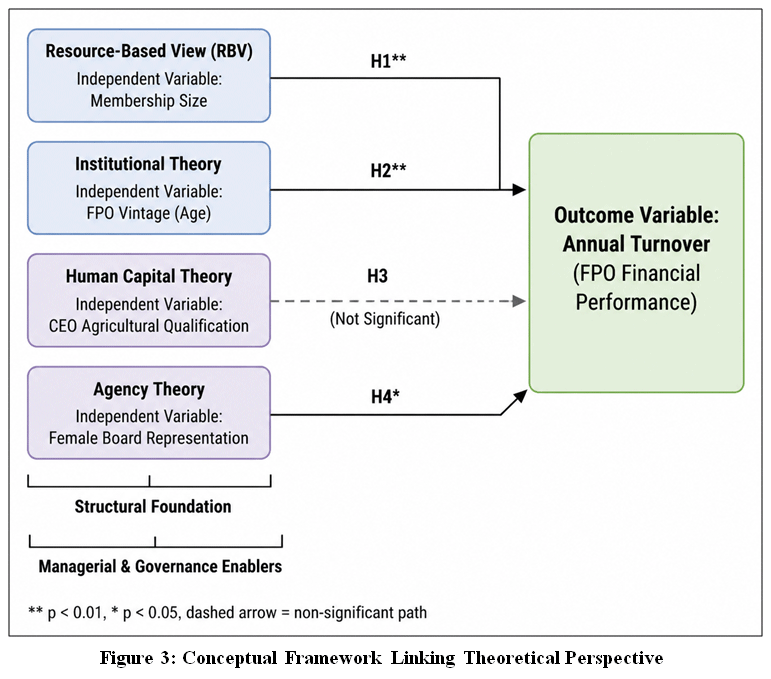 |
Figure 3: Conceptual Framework Linking Theoretical Perspective |
The solid arrows showing H1 & H2 in the Figure 3 indicate statistically supported positive associations (H1: ρ = 0.43, p < 0.01; H2: ρ = 0.43, p < 0.01), while the H4 solid arrow indicates a partially supported categorical association (H4: χ² = 10.08, p = 0.006; ρ = −0.21, p = 0.141, no linear trend). The dashed grey arrow indicates H3, which was not supported (p = 0.754). ** p < 0.01
As illustrated in Figure 3, the structural pathways of membership size (H1) and organisational vintage (H2) emerge as the primary and consistent drivers of annual turnover, whereas the managerial and governance pathways of CEO qualification (H3) and female board representation (H4) show more nuanced, context-dependent associations. The following paragraphs interpret these findings using the integrated multi-theory framework.
Nearly three-fourths of the sampled FPOs were formed after the launch of the Central Sector Scheme, and all FPOs met the minimum membership requirement. However, annual turnover was highly skewed, with a median of ₹7.95 lakhs compared with a mean of ₹29.33 lakhs, indicating that formal incorporation in accordance with the guidelines has not translated uniformly into commercial sustainability for the FPOs. This pattern is well explained by Institutional Theory, which suggests that organisations often adopt formal structures in response to regulatory requirements. The FPOs complied with membership norms, board size, and record keeping; however, formal compliance did not guarantee effective governance or organisational performance, as reflected in low turnover, weaker stakeholder engagement, and limited board competency.
The results indicated that both membership size (Fisher’s p = 0.037, ρ = 0.43) and organisational vintage (Fisher’s p = 0.047, ρ = 0.43) are positively associated with annual turnover. These findings indicate that both Resource- Based View (RBV) and Institutional Theory work together rather than separately. The RBV treats membership size as a strategic resource that strengthens the FPO’s ability to mobilise equity, achieve collectivisation, and leverage economies of scale and bargaining power. On the other hand, Institutional Theory suggests that this resource becomes effective only when organisational vintage establishes the organisation’s legitimacy, shapes its routine and enhances strong relationships with stakeholders. Taken together, these elements help mobilise members and turn potential growth into real commercial success. The similarity of the Spearman coefficients for membership size and organisational vintage, both at ρ = 0.43 and p = 0.001, indicates that scale and maturity are complementary rather than competing. FPOs with larger membership bases and greater organisational vintage perform better, as established organisations have had time to build the institutional capital that makes collective resources usable in practice.
This integrated structural explanation helps to understand why some FPOs have uneven turnover. The newer FPOs struggle not only because they lack scale, but also because they lack the legitimacy and operational experience to turn membership numbers into financial performance. On the other hand, older FPOs with fewer members may not do well either because they can’t make the most of their experience without enough size. Thus, the performance of an FPO emerges from the joint efforts of the RBV and the institutional Theory.
By contrast, the CEO’s agricultural qualification was not significantly associated with turnover (Fisher’s p = 0.754). This finding refines Human Capital Theory rather than contradicting it. Formal educational credentials alone do not capture the skills needed in FPO settings, such as member mobilisation, market negotiation, stakeholder coordination, and compliance management. The small number of agriculture-qualified CEOs (n = 4) also affects the stability of this finding, suggesting that further investigation with a larger sample is needed. For FPOs, practical experience and context-specific skills may be more important than discipline-specific qualifications alone. Thus, the results suggest that the value of human capital in this setting depends less on formal degrees and more on the practical relevance of the CEO’s competencies. When viewed alongside the RBV and Institutional Theory above, this suggests that human capital serves as an enabler rather than a primary driver, since competent leadership enhances the benefits of scale and maturity, but its absence does not fully explain why structurally strong FPOs still underperform.
The leadership profile of the sampled FPOs further supports this interpretation. Although most FPOs had appointed CEOs and almost all CEOs met the minimum graduation requirement, only a small proportion had agriculture-related qualifications, and a notable share of FPOs had no CEO at the time of the survey. This suggests that managerial capability remains a strategic internal resource, but one that is unevenly distributed across FPOs. From an RBV perspective, this unevenness may constrain the capacity of some organisations to scale operations and improve business performance.
Similarly, nearly all FPOs complied with the legal requirement to maintain 5–15 directors; however, only 69.6% had at least one female director, and only 28.6% appointed expert directors. These deficiencies indicate that, despite a compliant governance structure, many boards may still lack diversity and technical depth. Under Agency Theory, board composition matters because it influences monitoring, accountability, and the alignment of farmer-members’ interests with those of managerial agents. The results show that female board representation was statistically associated with turnover (p = 0.006), although the relationship was not linear (ρ = −0.21, p = 0.141). This suggests that female representation may contribute to better oversight or broader decision-making perspectives, but its effect on financial performance is not simply proportional to the number of women on the board. Within the larger context, Agency mechanisms serve as safeguards for governance. They can either support or weaken the structural- institutional advantages established by H1 and H2.
One key finding of the study was the gap between perceived and actual knowledge among board members, as reflected in the AGM and board meeting notice period, quorum, frequency of board meetings, and board size. The mean composite knowledge score of 50.19% indicates moderate governance competence among board members. This aligns with Human Capital Theory, which emphasises that organisational effectiveness depends not only on formal education, but also on context-specific knowledge, skills, and practical competence. Although many board members were relatively well educated, their understanding of legal and procedural governance was limited, highlighting the need for more focused training.
This knowledge gap can also be interpreted through Agency Theory. Board members act on behalf of farmer-members and are responsible for ensuring compliance and accountability. When they lack clarity on procedural requirements, their ability to monitor management effectively is weakened. The results therefore suggest that governance capacity is not merely a formal requirement, but a functional necessity for protecting member interests and improving organisational performance.
Overall, the study indicates that FPO performance in Assam is shaped by a combination of structural resources (RBV), institutional maturity (Institutional Theory), managerial capability (Human Capital), and governance quality (Agency Theory). The positive association between membership size and turnover (H1) and between organisational vintage and turnover (H2) shows that both RBV and Institutional Theory are relevant for explaining performance differences. At the same time, the weak association between CEO agricultural education and turnover (H3) adds nuance to Human Capital Theory, suggesting that practical skills, experience, and CBBO support may matter more than formal education alone. The partial support for H4, in which female directors are linked to different turnover patterns but not to proportional gains, indicates that Agency Theory captures the role of governance quality and diversity. Taken together, these findings provide a richer explanatory framework than any single theory could offer and have direct implications for CBBOs, implementing agencies, and policymakers designing governance interventions for FPOs.
Policy Implications
The empirical findings provide targeted recommendations to strengthen FPO sustainability in Assam.
The study’s findings revealed a significant gap between board members’ perceived and actual knowledge across critical compliance domains (Table 18). This underscores the need to prioritise training in governance knowledge over general agricultural training for board members, given the mean governance knowledge score of 50.19%.
CEO recruitment should prioritise candidates with relevant managerial and domain-specific competencies rather than formal qualifications alone, as only 9% of the sampled CEOs possess agriculture-related expertise. This would enhance managerial resource capabilities as per the Resource-Based View.
Implementing Agencies and CBBOs should enforce a minimum threshold for female representation on the board (69.6% compliance) and the appointment of expert directors (28.6% compliance). This would address Agency Theory concerns around representation and accountability.
One of the performance measure criteria for the CBBOs should be stakeholder linkages (53.6% compliance), ensuring FPOs progress from structural compliance to functional market integration for long-term sustainability.
Finally, CBBOs should develop governance competency indices for the FPOs to track the perceived versus actual knowledge gap across various governance domains.
Conclusion
The integrated findings highlight a complex challenge facing FPOs in Assam. While there is a general awareness among members regarding the importance of meetings, the significance of maintaining minutes, and the tenure of positions, many directors struggle with the intricacies of legal requirements and procedural norms.
Key elements such as the specific duration of notice periods (14 days for AGM & 7 days for Board Meeting), the necessary quorum for board meetings (minimum 3), and the mandated frequency of the board meetings (minimum 4 board meetings annually) are often not fully grasped by a considerable number of board members. This gap in understanding suggests that the curriculum for capacity-building training provided by CBBOs should be recalibrated.
The findings indicate that structural factors such as membership size and organisational vintage are associated with variations in turnover, highlighting the need for policies that enhance member engagement and provide ongoing, multi-year support for capacity building and business development.
Training modules should focus more on the legal statutes governing company operations, rather than providing broad overviews of agricultural practices. This includes detailed guidance on meeting protocols, compliance timelines, board rotation and record-keeping requirements. Additionally, it would be beneficial to equip directors with straightforward, practical tools they can use in real time to enhance their governance capabilities and fulfil their responsibilities more effectively. Quarterly training sessions for the management team on governance and compliance, of at least 1 day, should be conducted by the CBBOs.
The study is limited to three of the six agroclimatic zones, which were purposively selected for their high FPO concentration and agricultural significance. As a result, it would be inappropriate to apply the findings to regions that lack comparable conditions. Moreover, the study’s results relied on responses from FPO staff and board members, which may be subject to bias and prejudice.
There is scope for future longitudinal studies to track the performance of the FPOs, examining how training affects governance knowledge, compliance and revenue over time. Future research could adopt a mixed-methods approach that combines quantitative surveys with qualitative methods, such as FGDs and interviews, to explore the dynamics of FPOs. It can focus on participation levels, trust, perceptions of board members and farmers, and conflict resolution among them.
Acknowledgement
We must express our gratitude to the Assam Institute of Management, Vigyan Path, Paschim, Boragaon, Guwahati, Assam, for providing valuable input relevant to the study and for access to the library and other facilities.
Funding Sources
The author(s) received no financial support for the research, authorship, and/or publication of this article
Conflict of Interest
The authors do not have any conflicts of interest
Data Availability Statement
Data can be accessed upon request.
Ethics Statement
This research involved primary data collection from human participants through face-to-face structured interviews. Prior to each interview, respondents were informed of the study’s purpose, the voluntary nature of their participation, and their right to withdraw at any stage without consequence. Data were used solely for academic research purposes. The study adhered to institutional research guidelines for studies involving human participants. The study did not involve any clinical, therapeutic, or experimental procedures.
Informed Consent Statement
Oral informed consent was obtained from all human participants prior to data collection. Respondents were informed of their right to withdraw at any stage of the interview process, and their confidentiality was assured throughout.
Permission to Reproduce Material from Other Sources
Not Applicable
Author Contribution
- Utpal Goswami: Conceptualisation, Methodology, Data Collection, Analysis, Writing Original Draft.
- Shazeed Ahmed: Supervision, Analysis, Writing review & Editing
References
- Dash S, Mazhar S. A study on the impact of farmer producer organisations on its member respondents in Puri district of Odisha. Int J Adv Agric Sci Technol. 2021;8(1):52-65.
CrossRef - Trebbin A, Hassler M. Farmers’ producer companies in India: a new concept for collective action. Environ Plan A. 2012;44(2):411-427.
CrossRef - Association for Innovation Development of Entrepreneurship in Agriculture. Impact evaluation study of farmer producer organisations (FPOs) promoted by NABARD in Telangana. NABARD; 2025:1-4.
- Department of Agriculture, Co-operation & Farmers’ Welfare. Formation and promotion of 10,000 FPOs scheme operational guidelines. Ministry of Agriculture and Farmers Welfare; 2020. https://fpoodisha.nic.in/schemeGuidelinesNew
- Bikkina N, Turaga RM, Bhamoriya V. Farmer producer organizations as farmer collectives: a case study from India. Dev Policy Rev. 2017. doi:10.1111/dpr.12274
CrossRef - Paty BK, Gummagolmath KC. Farmer producer companies: issues and challenges. National Institute of Agricultural Extension Management (MANAGE); 2018.
- Small Farmers’ Agribusiness Consortium (SFAC). Strategy paper for promotion of 10,000 farmer producer organisations. 2019.
- National Bank for Agriculture and Rural Development (NABARD). Farmer producer organisations: frequently asked questions (FAQs). 2015.
- Mukherjee A, Singh P, Mrinmoy Ray, Satyapriya, Burman Roy. Enhancing farmers income through farmers’ producer companies in India: status and roadmap. Indian J Agric Sci. 2018;88(8):1151-1161.
CrossRef - Chowdary CM, Shanthasheela M, Rajasekharan R, Vasanthi R. Assessing the performance of farmer producer organizations: a study in Prakasam district of Andhra Pradesh, India. Asian J Agric Ext Econ Sociol. 2022;40(10):351-357.
CrossRef - Chandrakar K, Chandrakar DK, Das D. Farmers producer organization (FPO): how it is changing farming scenario. Int J Sci Res Arch. 2023;8(1):761-765.
CrossRef - Mukherjee A, Singh P, Satyapriya S, Rakshit S, Burman RR, Shubha K, et al. Assessment of livelihood wellbeing and empowerment of hill women through farmers producer organization: a case of women-based producer company in Uttarakhand. Indian J Agric Sci. 2020;90(8):1474-1481.
CrossRef - Bankers Institute of Rural Development. FPOs are growth engine of Indian agriculture; 2020.
- Nikam V, Singh P, Ashok A, Kumar S. Farmer producer organisations: innovative institutions for upliftment of small farmers. Indian J Agric Sci. 2019;89(9):1383-1392.
CrossRef - Jensen MC, Meckling WH. Theory of the firm: managerial behavior, agency costs and ownership structure. J Financ Econ. 1976;3.
CrossRef - Venkattakumar R. Performance of farmers producer organizations (FPOs) and associated factors in Karnataka: producers’ perspectives. Indian Res J Ext Educ. 2019;19(2&3)
- DiMaggio PJ, Powell WW. The iron cage revisited: institutional isomorphism and collective rationality in organizational fields. Am Sociol Rev. 1983;48(2).
CrossRef - Ajith A, Binoo BP. Awareness of organisational responsibility and perceived satisfaction level of farmer producer company shareholders of Kerala, India. Asian J Agric Ext Econ Sociol. 2022;40(3):29-35.
CrossRef - Gummagolmath KC, Lakshmi SBR, Kulkarni K. Impact assessment of farmer producer companies (FPCs) in Maharashtra: a case study. National Institute of Agricultural Extension Management (MANAGE); 2021.
- Barney J. Firm resources and sustained competitive advantage. J Manage. 1991;17.
CrossRef - Singh S, Singh T. Producer companies in India: a study of organization and performance. Allied Publishers Pvt Ltd; 2013.
- Becker GS. Human capital: a theoretical and empirical analysis, with special reference to education. National Bureau of Economic Research; 1975.
- GIZ. Capacity building of board of directors of FPOs: a trainers’ guide. Deutsche Gesellschaft für Internationale Zusammenarbeit (GIZ) GmbH; 2019.
- Badatya KC, S A, Sethi Y. An exploratory study on farmer producer organizations (FPOs) in Maharashtra. Reserve Bank of India; 2018.
- Prasad SC, Prateek G. Farming futures: an annotated bibliography on farmer producer organisations in India. 2019.
- Hussain, I. A Study on Management Orientation and Productivity of the Members of Farmers Producer Company with reference to Potato Production in Assam. 2024.
- Nayak KJR. Case studies of FPOs in India. 2022.
- Samunnati. State of sector report: farmer producer organisations in India. 2022.
- Goswami U, Ahmed S. A study on the knowledge and attitudes of the board of directors of farmer producer organisations (FPOs) towards governance and management in the state of Assam. Int Res J Econ Manag Stud. 2025;4(12):87-95.
- APMAS. Governance in farmer producer organizations: learning module for board members of FPOs. 2019.
List of Abbreviations
| Acronym | Full Form |
| AGM | Annual General Meeting |
| CBBO | Cluster Based Business Organisation |
| CEO | Chief Executive Officer |
| FPO(s) | Farmer Producer Organisation(s) |
| NGO(s) | Non-Governmental Organisation(s) |
| RBV | Resource-Based View |
| SPSS | Statistical Package for the Social Sciences |
| S1 | Stratum 1 (Lower Brahmaputra Valley Zone) |
| S2 | Stratum 2 (Central Brahmaputra Valley Zone) |
| S3 | Stratum 3 (Upper Brahmaputra Valley Zone) |
| S4 | Stratum 4 (North Bank Plains Zone) |
| S5 | Stratum 5 (Barak Valley Zone) |
| S6 | Stratum 6 (Hills Zone) |