


Introduction
Agriculture in India stands at crossroads, facing the dual challenge of ensuring food security while maintaining long-term soil and environmental sustainability. Although chemical fertilizers have played a pivotal role in enhancing crop productivity, excessive and imbalanced use resulted in soil degradation and environmental pollution. India is the second-largest producer and consumer of fertilizers after China, particularly nitrogenous fertilizers, with the two countries accounting for nearly 40 per cent of global nitrogen consumption (111.4 MMT).1 India is also the fourth-largest producer and second-largest consumer of phosphatic fertilizers, contributing about 19 per cent of global phosphatic fertilizer use. However, the country remains heavily dependent on imports for potassic fertilizers due to negligible domestic production.2 Over the past two decades, domestic production of major fertilizer nutrients (N, P and K) increased from 13.7 MMT in 2000-01 to 22.1 MMT in 2024-25, while demand rose from 16.7 MMT to nearly 33 MMT, resulting in fertilizer imports increasing from 2.2 MMT to 9.3 MMT.3To address import dependence, the Government of India has implemented several measures, including the New Investment Policy (NIP) 2012, expansion of domestic fertilizer production capacity and promotion of phosphatic and potassic fertilizers through the Nutrient-Based Subsidy (NBS) scheme.4 Despite these efforts, concerns regarding soil health continue to intensify. An ICAR study based on more than 2.5 lakh soil samples reported that climate change and imbalanced fertilizer use, particularly excessive application of urea and phosphorus, are reducing soil organic carbon and contributing to micronutrient deficiencies.5 This paradox of increasing fertilizer use alongside declining soil health highlights the need for sustainable alternatives that can sustain productivity besides restoring soil quality.
The importance of such approaches is further reinforced by India’s commitment to achieving net-zero greenhouse gas emissions by 2070. These commitments have increased interest in sustainable nutrient management strategies that can reduce fertilizer dependence, lower subsidy burdens and restore soil and ecosystem health.7 Among the available options, FOM has gained attention because it can supply nutrients and improve soil biological activity. Farmer substitution of chemical fertilizers with organic fertilizers, however, also depends on perceived usefulness, policy support and access to information and markets.7,8
India’s power sector itself reflects this growing shift toward diversification, drawing on conventional sources such as coal, gas, hydro and nuclear alongside an expanding renewable base of solar, wind, biomass and small hydro (Fig. 1). As electricity demand keeps climbing, biomass-based generation, being closely tied to CBG and digestate systems, is emerging as an increasingly important piece of that renewable expansion.
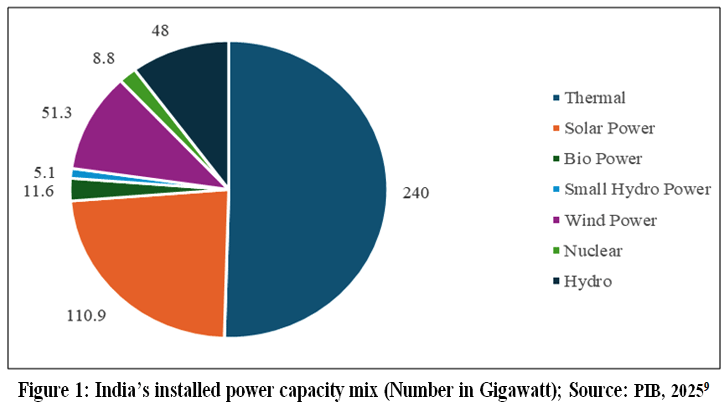 |
Figure 1: India’s installed power capacity mix (Number in Gigawatt); Source: PIB, 20259 |
The growing interest in FOM is closely linked to the expansion of biogas technologies. Biogas systems convert agricultural, animal, industrial and municipal wastes into renewable energy while generating nutrient-rich digestate as a co-product. Biogas generally contains 40-70 per cent methane and can be upgraded to 75-99 per cent methane to produce compressed biogas suitable for transport fuel and gas-grid applications. In India, biogas plants range from small family-scale units utilizing animal manure and crop residues to large industrial facilities processing municipal and industrial organic wastes.10
Recognizing the potential of biogas, India launched the Sustainable Alternative Towards Affordable Transportation (SATAT) scheme in 2018 to promote large-scale CBG production from diverse waste streams. The scheme aims to establish a robust CBG ecosystem with a target production of 15 million tonnes annually, supported by complementary initiatives such as the National Policy on Biofuels, the GOBARdhan scheme and CBG blending obligations. By March 2023, 58 CBG plants had been commissioned, 3,694 potential investors identified and approximately 9,019 tonnes of CBG sold, demonstrating growing momentum in the sector.11 According to ICAR estimates, a bio-CNG plant with a capacity of 5,600 kg day-1requires an investment of about ₹30.20 crores and consumes around 40 tonnes of paddy straw daily. With 50 per cent government support on plant and machinery costs, such a plant can generate annual profits of ₹209.23 lakhs, highlighting its economic viability.12
Expansion of CBG plants is particularly relevant for addressing crop residue management challenges. India generates nearly 500 million tonnes of crop residues annually, a substantial proportion of which remains underutilized or is burnt in the field. In northern states such as Punjab, Haryana, Rajasthan and Uttar Pradesh, approximately 39 million tonnes of rice straw are generated annually, including 15.4 million tonnes in Punjab alone. Open burning of these residue contributes to severe air pollution, greenhouse gas emissions and soil degradation. Although measures such as the Happy Seeder and biomass-based industries have been promoted, residue management remains constrained by collection, storage and logistical challenges. Utilization of atleast 30 per cent of rice straw for products such as pellets, ethanol and CBG could significantly contribute to national energy and environmental goals. In this regard, the SATAT initiative envisions establishment of 5,000 CBG plants with a production target of 15 million tonnes annually, positioning crop-residue-based bioenergy as a key component of sustainable agricultural systems.
Despite growing recognition of digestate-based fertilizers such as FOM, their adoption remains limited due to technical, economic and institutional constraints. Moreover, comprehensive assessments of their role within circular agricultural systems remain scarce. Therefore, this review examines the production, characteristics and agricultural potential of FOM derived from CBG systems, with particular emphasis on sustainable nutrient management and crop residue utilization in the Indo-Gangetic Plains. By linking waste-to-energy systems with soil fertility management, the review highlights the potential of FOM to contribute to a more resource-efficient, resilient and environmentally sustainable agricultural system.
Fermented Organic Manure from CBG systems: Production, Characteristics and Agricultural potential
Production of Digestate and FOM in Biogas Systems
With the growing importance of biogas as a low-carbon and renewable energy source, equal emphasis is now being placed on the sustainable management and valorization of its major by-product, anaerobic digestate. Digestate has emerged as a valuable co-product in renewable biogas systems, with its utilization increasing significantly since 2000.13 This shift reflects a broader transition from viewing digestate as a waste residue to recognizing it as a resource with substantial agronomic and economic potential.Digestate offers diverse application possibilities, including plant nutrition, animal feed supplementation, irrigation water recovery, biopesticide development, seed pre-treatment, phosphate recovery and carbon synthesis, thereby positioning it as a competitive alternative to fossil-based products. In addition, digestate can serve as a key input in sustainable farming systems by recycling nutrients back into the soil, thereby reducing dependence on synthetic fertilizers. Consequently, effective digestate management is critical for realizing the full potential of circular bioeconomy systems14 (Fig.2a).FOM represents a refined and value-added form of digestate. It is typically produced through controlled fermentation and stabilization processes, often involving microbial enrichment, which enhances its nutrient availability and biological activity. The transformation of raw digestate into FOM not only improves its handling and storage characteristics but also increases its acceptance among farmers by making it more consistent, safer and agronomically efficient.
Anaerobic Digestion and Resource Efficiency
Anaerobic digestion (AD) is widely recognized as a sustainable and efficient approach for organic waste management and renewable energy production. It contributes significantly to waste reduction, improved energy security and lower greenhouse gas emissions, thereby supporting circular bioeconomy objectives.15 The process involves the microbial breakdown of organic matter in the absence of oxygen, resulting in the production of biogas and digestate. Importantly, AD enhances the nutrient profile of organic waste. During the digestion process, organic nitrogen is mineralized into ammoniacal nitrogen, which is more readily available for plant uptake. During anaerobic digestion, organic nitrogen is partly mineralized to ammonium-N, thereby increasing the proportion of readily plant-available nitrogen in digestate.16 Improved nutrient availability is one of the key advantages of digestate-based fertilizers over traditional organic manures. However, despite its potential as an additional revenue source, digestate-based fertilizers often face competition from heavily subsidized chemical fertilizers, which limits their economic attractiveness and market penetration.17 This highlights the need for policy support and market development to promote digestate utilization.
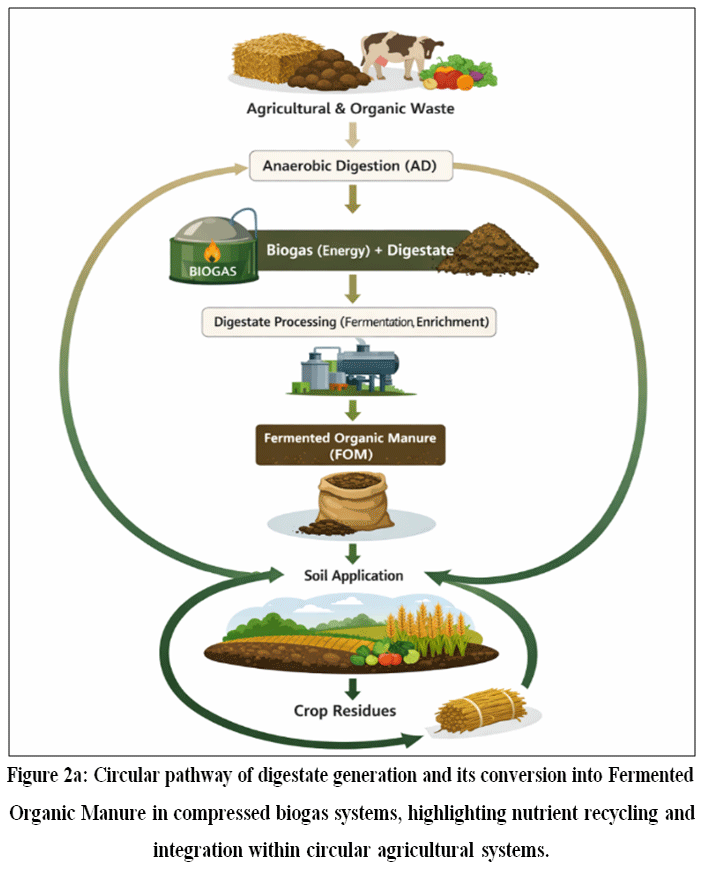 |
Figure 2a: Circular pathway of digestate generation and its conversion into Fermented Organic Manure in compressed biogas systems, highlighting nutrient recycling and integration within circular agricultural systems. |
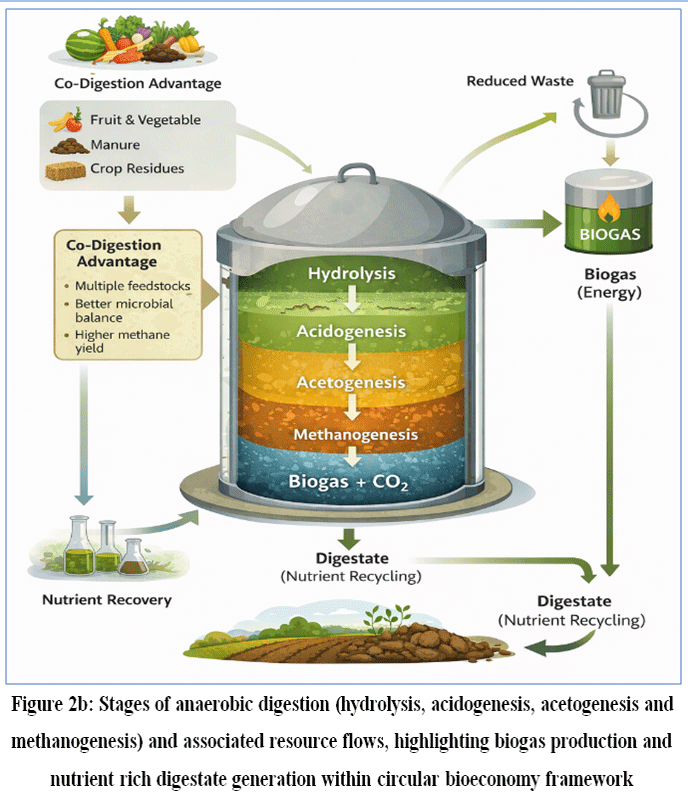 |
Figure 2b: Stages of anaerobic digestion (hydrolysis, acidogenesis, acetogenesis and methanogenesis) and associated resource flows, highlighting biogas production and nutrient rich digestate generation within circular bioeconomy framework |
Further advancements such as anaerobic co-digestion of kitchen and fruit wastes with cow dung have been shown to significantly improve methane yield compared to mono-digestion, particularly under optimal conditions of temperature, pH and microbial activity. Such integrated systems not only enhance biogas production but also improve the quality and nutrient composition of the resulting digestate. These systems provide dual benefits of enhanced biogas production and nutrient-rich digestate generation, offering a sustainable alternative to conventional fuels like firewood.18Despite these advantages, the large-scale adoption of AD in India remains limited. Key challenges include supply chain constraints, inappropriate digester designs, overestimation of economic returns and inadequate technical and institutional capacity. Moreover, the multifunctional benefits of AD including waste management, energy production and fertilizer generationare often underutilized due to excessive focus on biogas alone. In many cases, digestate management is treated as a
Further advancements such as anaerobic co-digestion of kitchen and fruit wastes with cow dung have been shown to significantly improve methane yield compared to mono-digestion, particularly under optimal conditions of temperature, pH and microbial activity. Such integrated systems not only enhance biogas production but also improve the quality and nutrient composition of the resulting digestate. These systems provide dual benefits of enhanced biogas production and nutrient-rich digestate generation, offering a sustainable alternative to conventional fuels like firewood.18Despite these advantages, the large-scale adoption of AD in India remains limited. Key challenges include supply chain constraints, inappropriate digester designs, overestimation of economic returns and inadequate technical and institutional capacity. Moreover, the multifunctional benefits of AD including waste management, energy production and fertilizer generationare often underutilized due to excessive focus on biogas alone. In many cases, digestate management is treated as a secondary concern rather than an integral component of the system.Decentralized systems using reliable feedstocks, such as fruit and vegetable market waste, are suggested as more viable for sustainable implementation. Such systems can reduce transportation costs, ensure consistent feedstock supply and promote localized circular economies.19 Strengthening these decentralized models can play a crucial role in scaling up AD adoption in India.
Digestate as Fertilizer and Agronomic Benefits
Digestate from anaerobic digestion is a nutrient-rich material with significant potential to enhance soil fertility, crop productivity and farm economics. Studies have shown that digestate contains higher concentrations of essential nutrients such as nitrogen, phosphorus and potassium compared to traditional organic manures, making it an effective soil amendment20 (Table 1 and Table 2). Apart from macronutrients, digestate also contains micronutrients and biologically active compounds that contribute to improved soil functioning.
Its application improves soil physicochemical properties, microbial diversity and overall plant growth. For instance, the use of pretreated biogas slurry has been found to significantly improve soil fertility parameters, microbial activity and crop performance, including enhanced growth and yield of Capsicum spp.21 These improvements are largely attributed to increased nutrient availability and stimulation of beneficial soil microbial communities. Digestate can be utilized in various forms such as untreated slurry, liquid fraction, solid fraction and pelletized products. Nutrient partitioning during separation results in nitrogen and potassium concentrating in the liquid fraction, while phosphorus and magnesium accumulate in the solid fraction. This differentiation allows for targeted application based on crop requirements and soil conditions. Some liquid digestates have also demonstrated nematicidal activity against root knot nematodes.22
Integration of FOM with traditional bulky organic manures enhances plant growth, nutrient uptake and overall crop performance, primarily due to increased availability of macro- and micronutrients along with beneficial microorganisms and enzymes that support plant health23-24 (Table 1). This integrated approach aligns well with sustainable nutrient management strategies by combining the benefits of different organic inputs. Further, the combined application of FOM with biofertilizers has been found to significantly improve plant height, biomass production, fruit yield and nutrient content across different crops.23Such synergistic effects highlight the potential of FOM as part of integrated nutrient management systems.
Table 1: Key Studies on Digestate and FOM in Agriculture
|
Source of Digestate |
Any Processing |
Findings |
Implication |
Reference |
|
Slurry from biogas digester |
Bio-slurry obtained by stirring tank |
Higher N, P, K than traditional manures |
Effective soil amendment |
20 |
|
Biogas slurry |
Pretreated and applied to Capsicum spp. |
Improves soil properties, microbial activity and plant growth |
Enhances soil fertility and productivity |
21 |
|
Liquid biogas digestate |
Phase-separated and stored under controlled conditions |
Exhibits nematicidal properties; suppresses root-knot nematodes |
Supports sustainable plant protection |
22 |
|
– |
– |
Integration of FOM with bulky organic manures improves growth, nutrient uptake and yield |
Promotes sustainable nutrient management |
23-24 |
|
– |
– |
Combined use of FOM and biofertilizers enhances plant height, biomass and yield |
Strengthens integrated nutrient management (INM) |
23 |
Table 2: Effect of organic manures and fermented organics on crop yield compared with inorganic/chemical fertilizer
|
Crop |
Comparison basis |
Organic treatment yield |
Inorganic/ control yield |
Increase |
Source |
|
Okra |
Poultry manure vs. NPK fertilizer |
7.9 t/ha |
3.6 t/ha (NPK) |
+119% |
25 |
|
poultry manure vs. unfertilized control |
7.9 t/ha |
3.4 t/ha (control) |
+132% |
||
|
Maize |
Digestate treatment vs. unfertilized control |
447.5 g/pot |
252.75 g/pot (control) |
+77% |
26 |
|
Capsicum |
Organic + PGPR + fermented organics vs. organic alone |
31.15 t/ha |
21.85 t/ha (organic baseline) |
+42.5% |
23 |
|
French bean |
Vermicompost + Panchagavya foliar spray vs. basal organic only |
16.43 t/ha |
8.07 t/ha (organic baseline) |
+103.6% |
24 |
Processing and Value Addition of Digestate
Digestate is increasingly recognized as a viable alternative to mineral fertilizers, particularly in the context of rising fertilizer costs and growing concerns over environmental sustainability. It can be directly applied to soil or further processed into value-added products such as compost, biocarbon and fertilizer granules through physical, biological and thermal methods. Processing of digestate plays a crucial role in improving its stability, nutrient concentration, ease of transportation and storage, as well as farmer acceptability. For instance, composting can enhance the maturity and stability of digestate, while thermal
treatments can reduce pathogens and moisture content. Similarly, granulation and pelletization can improve handling and application efficiency, although these processes may involve trade-offs in terms of nutrient losses. Research indicates that minimally processed digestate, particularly liquid forms, provides superior agronomic performance with higher crop yields and minimal nutrient losses. In contrast, heavily processed products such as pellets may suffer from significant nitrogen losses due to volatilization.26 Therefore, selecting appropriate processing and application methods is critical to maximizing the fertilizer value of digestate. However, digestate quality and its environmental implications depend significantly on feedstock composition and processing methods. Changes in feedstock, such as increased use of lignocellulosic materials, can influence nutrient distribution and emission risks, including ammonia volatilization. Therefore, feedstock-specific management strategies and appropriate processing techniques are essential to optimize fertilizer value while minimizing environmental impacts.27
Research findings indicate that both untreated and processed digestate can effectively improve soil conditions and plant growth (Table 3). However, variability in digestate quality due to differences in feedstock composition and operational conditions remains a key challenge. This variability affects nutrient content, moisture levels, pathogen load and overall agronomic performance.Therefore, there is a pressing need for further research on standardization, processing techniques and crop-specific application strategies. Developing quality standards and guidelines for digestate-based products such as FOM will be essential to ensure consistency, safety and widespread adoption. In this regard, integrating scientific research with policy support and market development can significantly enhance the role of digestate in sustainable agriculture.28
Table 3: Studies on Digestate Processing
|
Digestate Form / Treatment |
Crop / System |
Key Findings |
Implication |
Reference |
|
Liquid vs. pelletized digestate (from mixed feedstocks) |
Cropping systems |
Liquid digestate gives higher yields; pellets lead to N losses due to volatilization |
Processing method critically affects efficiency |
26 |
|
Digestate with varying feedstock (e.g., lignocellulosic materials) |
Soil systems |
Nutrient distribution and emissions vary with feedstock composition |
Requires feedstock-specific management |
27 |
|
Processed and unprocessed digestate |
Soil-plant systems |
Both forms improve soil and plant growth, but performance varies |
Need for optimized processing methods |
28 |
Regional Opportunities in The Indo-Gangetic Plains
Paddy straw burning in Punjab and its effects
Paddy straw burning remains one of the most critical environmental and agricultural challenges in the Indo-Gangetic Plains, particularly in Punjab, where intensive rice-wheat cropping systems dominate. In Punjab, the short interval between paddy harvesting and wheat sowing,29 limited market options for crop residues, and labour shortages often compel farmers to adopt partial or complete burning to quickly prepare fields for wheat cultivation.30 This practice, although economically convenient in the short term, results in severe environmental and agronomic consequences.It is estimated that burning one tonne of paddy straw releases about 1,460 kg CO₂, 60 kg CO, 3 kg particulate matter, 199 kg ash, and 2 kg SO₂, along with small amounts of methane and NO₂, potent greenhouse gases.31 These emissions contribute significantly to regional air pollution, particularly during the post-harvest season, and are a major factor behind the recurring air quality crises in North India. Besides these emissions, straw burning leads to deterioration of soil health, air pollution, health hazards, accidents, and loss of micro-biodiversity.31 The loss of soil organic carbon and beneficial microorganisms further reduces long-term soil productivity and resilience.In 2017, nearly 80% of rice residues were burnt in Punjab31 and the state contributed about 90% of fire counts in the region in 2020.32 However, these numbers have declined in recent years due to combined efforts of the state and central governments, including stricter regulations, financial incentives and promotion of alternative residue management technologies. Despite this progress, the challenge persists due to structural constraints such as fragmented landholdings, economic pressures, and logistical limitations.
Management of paddy straw
Punjab generates around 20 million tonnes (MT) of paddy straw annually, including about 3.3 MT from Basmati crops.33 The magnitude of this biomass resource highlights both the scale of the challenge and the opportunity for its productive utilization within a circular economy framework. Management strategies include in-situ (on-field) and ex-situ (off-field) approaches. In-situ methods involve retaining, incorporating, mulching, or decomposing straw using microbial consortia, which help improve soil organic matter and moisture retention while reducing the need for external inputs. However, adoption of these methods is often constrained by machinery availability, operational costs, and time limitations between cropping cycles.
In contrast, ex-situ options include biomass pellet production for thermal power plants, biogas generation at domestic and industrial levels, Bio-CNG/CBG production, power generation, alcohol production, and composting.12 These approaches enable the conversion of agricultural waste into value-added products, thereby creating economic incentives for residue collection and utilization. However, they require efficient supply chains for collection, transportation, and storage, which remain key bottlenecks.The state aims to manage about 11.5 MT through in-situ and 4.67 MT through ex-situ methods, along with use as cattle fodder.33 As a result of available solutions and strict government rules, active fire counts have declined by 83% in 2024 compared to their peak in 2021.32 This decline indicates that a combination of policy intervention, technological adoption, and market development can effectively address the problem, although sustained efforts are required to ensure long-term behavioral change among farmers.
Role of CBG Plants and Case of Punjab
Building on the growing emphasis on sustainable residue management, CBG plants have emerged as a promising solution for converting paddy straw into energy and organic inputs. One of the reasons for the declining rate of burning is the increased demand for paddy straw in industries, as they recognized its potential for bioenergy production.12 This shift reflects a transition from waste disposal to resource utilization within a circular bioeconomy framework.The government has also introduced supportive initiatives such as the Compressed Bio-Gas Blending Obligation (CBO), which was decided to become mandatory from FY 2025-26, starting at 1% and increasing to 5% by 2028–29.34 Such policy measures are expected to create a stable market for CBG, thereby encouraging private investment and scaling up production capacity.
In Punjab, biomass companies collect paddy straw through processes like slashing, drying, raking, and baling within the short harvest window, followed by transportation and storage.33 These operations require significant logistical coordination and mechanization, especially given the narrow time window available between crop cycles.35 Efficient supply chain management is therefore critical for the success of straw-based bioenergy systems.In collaboration with the Punjab Energy Development Agency (PEDA), the Punjab Development Commission (PDC) is promoting the establishment of paddy straw-based CBG plants, each expected to significantly contribute to straw utilization. Policy initiatives such as the Punjab Biofuels Policy aim to attract private investment and expand the bioenergy sector.36 These institutional efforts are essential for creating an enabling ecosystem that integrates agriculture, energy and waste management sectors.For instance, Verbio India Pvt. Ltd. currently utilizes around 1,00,000 MT of paddy straw annually in their CBG plant.36 Such large-scale industrial utilization demonstrates the technical and economic feasibility of converting crop residues into valuable products.
Under the State Biofuel Policy, Punjab targets meeting 20% of its fuel demand through biofuels by 2035, with plans to utilize over six million tonnes (~30%) of paddy straw for fuel, power, and manure production. This highlights the strategic importance of bioenergy in the state’s long-term energy and environmental planning.Punjab currently has 87 registered plants under the GOBARdhan portal, out of which only 11 are commissioned and only 6 are actively producing CBG and FOM.37 This gap between planned and operational capacity indicates challenges related to financing, feedstock supply, infrastructure, and market linkages, which need to be addressed to fully realize the potential of CBG systems.The development of CBG plants in Punjab not only addresses the issue of crop residue burning but also creates a direct linkage between waste management, renewable energy generation and organic fertilizer production in the form of FOM. This integrated approach aligns closely with the principles of circular economy, where agricultural residues are converted into energy and nutrients, thereby reducing environmental pollution while enhancing farm sustainability.
Table 4: Selected operational CBG plants in Punjab
|
Name of the Plant |
Gas Production Capacity (TPD) |
Feedstock Capacity (TPD) |
FOM Production Capacity (TPD) |
LFOM Production Capacity (KLD) |
|
M/s. Verbio India Private Limited, Sangrur |
33 |
367 |
770 |
575 |
|
M/s. Farm Gas Private Limited, Ludhiana |
12 |
120 |
30 |
0 |
|
M/s. Patiala RNG Private Limited, Patiala |
14.8 |
100 |
72 |
0 |
|
M/s. Sangrur RNG Private Limited, Sangrur |
14.84 |
100 |
72 |
0 |
|
M/s. Reliance Chemicals and Materials Limited, Hoshiarpur |
20 |
165 |
120 |
40 |
Source: GOBARdhan Portal [37]; *TPD: Tonnes per day, KLD:Kilo Litres per Day
Initiatives by the Government of India for the promotion of FOM
The Government of India has been actively promoting Fermented Organic Manure (FOM) through various policy and financial initiatives. Under the Market Development Assistance (MDA) scheme, financial support of ₹1500 per metric tonne (MT) is provided for FOM, Liquid Fermented Organic Manure (LFOM), and Phosphate Rich Organic Manure (PROM) produced by Compressed Biogas (CBG) plants.38 The scheme was initially implemented for three years (2023-24 to 2025-26), with ₹111.72 crore released up to February 2026.38Further strengthening quality regulation, the Fertiliser (Inorganic, Organic or Mixed) (Control) (Third) Amendment Order, 2025 prescribed specifications for FOM and LFOM. FOM must contain 30–70% moisture and 12-14% organic carbon, have a pH of 6.0-8.4 and electrical conductivity not exceeding 4.0 dS m⁻¹, contain no pathogens and comply with prescribed heavy-metal limits. LFOM must contain 90-97% moisture and at least 1.5% organic carbon, have a pH of 6.0-8.4 and electrical conductivity not exceeding 4.0 dS m⁻¹, contain no infectious pathogens and comply with prescribed heavy-metal limits.39
To support distribution and adoption, around 120 CBG/BG plants have been registered on the iFMS portal, with 44 MoUs signed between Fertilizer Marketing Companies (FMCs) and plant operators. As the MDA scheme is concluding, its impact is being evaluated by NITI Aayog, while a two-year ICAR project, effective from 29 November 2024 with an approved cost of ₹11.79 crore, has been initiated for demonstrations and field studies on FOM and LFOM.38 In addition to central initiatives, some state governments, such as Gujarat, are also encouraging adoption by providing financial assistance of ₹4,000 per acre to farmers using FOM in their farming practices.40
Table 5: Sale of FOM/LFOM/PROM
|
Year |
FOM (in MT) |
LFOM (in MT) |
PROM (in MT) |
TOTAL (in MT) |
|
2023-24 |
27,899.62 |
28,159.00 |
0.00 |
56,058.62 |
|
2024-25 |
1,06,620.15 |
2,28,181.00 |
1,490.16 |
3,36,291.30 |
|
2025-26(upto28.02.2026) |
5,78,865.03 |
10,89,019.04 |
4,799.13 |
16,72,683.20 |
|
Total |
7,13,384.80 |
13,45,359.04 |
6,289.28 |
20,65,033.12 |
Source: PIB, 2026 [38]
Barriers to Adoption
Despite the growing recognition of AD and FOM as key components of sustainable and circular agricultural systems, their large-scale adoption remains constrained by a range of economic, technical, institutional and social barriers. These constraints not only limit the scalability of such systems but also reduce their attractiveness compared to conventional alternatives. Anaerobic digestion technology faces strong competition from alternative waste treatment methods such as composting, vermicomposting and waste-to-pellet production, which are often preferred due to their lower costs. These alternatives typically require lower initial capital investment, simpler operational requirements and less technical expertise, making them more accessible, especially for small-scale users and decentralized waste management systems. This cost advantage of simpler technologies acts as a key constraint, limiting the adoption of biogas digesters for waste management, particularly in urban areas.10 In addition, uncertainties related to feedstock availability, fluctuations in energy markets and longer payback periods further reduce investor confidence in AD-based systems.
The adoption of FOM faces certain challenges including Farmer Reluctance Due to Perceived Economic Risk, Lack of Awareness and Technical Knowledge, Inadequate Marketing Infrastructure for Organic Inputs, Shortage and Competing Demand for Biomass, Absence of Coherent Agricultural Policy Framework, Lack of Quality Standards for Bio-Manures and Political and Social Constraints.7,8 These challenges are interrelated and often reinforce each other. For instance, the absence of standardized quality parameters for FOM reduces farmer confidence, while weak market linkages and distribution networks limit its accessibility and commercial viability. Furthermore, competing uses of biomass for fodder, fuel or industrial applications, create supply constraints that can affect the consistent production of digestate-based fertilizers. At the institutional level, fragmented policies and lack of coordination between agriculture, energy and waste management sectors further hinder the integration of FOM into mainstream agricultural practices. Social factors, including traditional preferences for chemical fertilizers and risk-averse behavior among farmers, also play a significant role in slowing adoption. Addressing these barriers requires a comprehensive approach involving policy support, capacity building, financial incentives and development of robust value chains for both biogas and digestate products.
Research Gaps and Future Perspectives
Despite their potential as sustainable alternatives to chemical fertilizers, digestate and Fermented Organic Manure (FOM) face challenges related to nutrient leaching, heavy metal accumulation, pathogen contamination and greenhouse gas emissions. These concerns highlight the need for standardized quality guidelines, safe application protocols and improved processing technologies. Further research is required to optimize digestate treatment methods and establish crop-specific application recommendations.13,14,27,28 Long-term studies on the effects of digestate and FOM on soil health, crop productivity, microbial activity and greenhouse gas emissions remain limited. Additional research is also needed to evaluate their economic viability and life-cycle impacts compared with conventional fertilizers. Strengthening links among waste management, renewable energy and agriculture sectors, supported by appropriate policies, stakeholder awareness and public-private partnerships, will be essential to realize the full potential of digestate-based solutions within circular bioeconomy systems.
Conclusion
FOM produced from CBG systems represents a promising approach for integrating renewable energy generation with sustainable nutrient management and circular agriculture. By converting agricultural residues and organic wastes into biogas while simultaneously producing nutrient-rich organic manure, CBG plants offer a practical solution to multiple challenges, including crop residue burning, declining soil health, dependence on chemical fertilizers, and environmental pollution. Compared with conventional organic manures, FOM provides readily available nutrients, beneficial microorganisms, and bioactive compounds that improve soil fertility, enhance microbial activity, and support long-term agricultural sustainability. The rapid expansion of CBG infrastructure under national initiatives such as SATAT and GOBARdhan provides significant opportunities for large-scale production and utilization of FOM, particularly in the Indo-Gangetic Plains where enormous quantities of crop residues are generated annually. Effective utilization of paddy straw through CBG plants can substantially reduce open-field residue burning while creating value-added products that contribute to farm income, renewable energy production, and improved resource-use efficiency. Government support through quality standards, market development assistance, and policy incentives has further strengthened the prospects for wider adoption of FOM.
Despite these opportunities, several challenges continue to limit the large-scale use of FOM, including variability in digestate quality, inadequate standardization, limited farmer awareness, weak marketing and distribution networks, and competition from subsidized chemical fertilizers. Addressing these constraints requires coordinated efforts involving scientific research, quality assurance, policy support, extension services, and public–private partnerships. Future research should focus on developing standardized production protocols, evaluating long-term effects on soil health and crop productivity, optimizing crop-specific application strategies, and assessing the environmental and economic performance of FOM under diverse agroecosystems. Therefore, FOM has considerable potential to become an integral component of sustainable nutrient management and circular bioeconomy systems. Its successful integration into agricultural production can simultaneously enhance soil health, improve nutrient recycling, reduce environmental pollution, promote renewable energy utilization, and contribute to resilient and climate-smart agricultural systems.
Acknowledgement
The authors acknowledge Maruti Suzuki Private Limited and Director School of Organic and Natural Farming for providing basic research facilities.
Funding Sources
The author(s) received no financial support for the research, authorship, and/or publication of this article.
Conflict of Interest
The authors do not have any conflict of interest.
Data Availability Statement
This statement does not apply to this review article.
Ethics Statement
This research did not involve human participants, animal subjects, or any material requiring ethical approval.
Informed Consent Statement
This study did not involve human participants; therefore, informed consent was not required.
Clinical Trial Registration
This research does not involve any clinical trials.
Permission to Reproduce Material from Other Sources
Not applicable.
Author Contributions
- Amandeep Singh Sidhu: Conceptualization, writing-review and editing.
- Arshdeep Singh: Literature collection, writing-review and editing.
- Sohan Singh Walia: Technical review, supervision, manuscript editing.
- Gulab Pandove:Review and editing.
- Gurpreet Kaur: Literature review, proofreading, manuscript editing.
- All authors read and approved the final manuscript.
References
- Food and Agriculture Organization of the United Nations. Fertilisers by nutrient. FAOSTAT Statistical Database; 2025.
- Juneja R, Nand S, Johny ET, Gulati A. De-risking fertiliser supplies for India amid rising geopolitical risks. Policy Brief No. 66. New Delhi: Indian Council for Research on International Economic Relations; 2026.
- Damodaran H. How the fertilisers industry has become synonymous with controls, and at what cost. Indian Express. Published 16 February 2026.
- Press Information Bureau. Amrit Kaal: Empowering India’s farmers through strategic fertilizer policy. Government of India; 3 August 2025.
- Jigeesh AM. Climate change, imbalance in fertiliser use ‘kill’ soil’s organic carbon: ICAR study. The Hindu. Published 10 November 2025.
- Barman B. Circularity in Indian agriculture: A pathway to sustainability. Indian Farming. 2025;75(2):30–32.
- Meena HN, Anchra S, Sen B, Dutt D, Mishra JP. Fermented organic manure: Challenges and opportunities in India. Technical Bulletin 2025/01. Jodhpur: ICAR-Agricultural Technology Application Research Institute, Zone-II; 2025.
- Wang Y, Zhu Y, Zhang S, Wang Y. What could promote farmers to replace chemical fertilizers with organic fertilizers? J Clean Prod. 2018;199:882–890.
CrossRef - Press Information Bureau. India’s energy landscape: Powering growth with sustainable energy. Government of India; 2025. Available from: https://static.pib.gov.in/WriteReadData/specificdocs/documents/2025/jun/doc2025622575501.pdf
- Mittal S, Ahlgren EO, Shukla PR. Barriers to biogas dissemination in India: A review. Energy Policy. 2018;112:361–370.
CrossRef - Jain R. Greening India’s energy mix with compressed biogas (CBG). New Delhi: Centre for Science and Environment; 2023.
- Indian Council of Agricultural Research. Ex-situ crop residue management options. New Delhi: Indian Council of Agricultural Research; 2021.
- Baştabak B, Koçar G. A review of the biogas digestate in agricultural framework. J Mater Cycles Waste Manag. 2020;22(5):1318–1327.
CrossRef - Chojnacka K, Moustakas K. Anaerobic digestate management for carbon neutrality and fertilizer use: A review of current practices and future opportunities. Biomass Bioenergy. 2024;180:106991.
CrossRef - Alengebawy A, Ran Y, Osman AI, Jin K, Samer M, Ai P. Anaerobic digestion of agricultural waste for biogas production and sustainable bioenergy recovery: A review. Environ Chem Lett. 2024;22(6):2641–2668.
CrossRef - Möller K, Müller T. Effects of anaerobic digestion on digestate nutrient availability and crop growth: A review. Eng Life Sci. 2012;12(3):242–257. doi:10.1002/elsc.201100085.
CrossRef - Mate N. Biogas for sustainable development. Winrock International India; 2010.
- Phillip A, Bhatt SM, Sharma N, Poudel B. Enhanced biogas production using anaerobic co-digestion of animal waste and food waste: A review. J Sci Res Rep. 2024;30(8):761–781.
CrossRef - Breitenmoser L, Gross T, Huesch R, Rau J, Dhar H, Kumar S, et al. Anaerobic digestion of biowastes in India: Opportunities, challenges and research needs. J Environ Manage. 2019;236:396–412.
CrossRef - Nyang’au J, Gatebe E, Nyagah C, Ahenda S. Evaluation of biogas slurry as an alternative organic fertilizer: A case study in Kenya. Int J Extensive Res. 2016;9:10–14.
- Wang Z, Sanusi IA, Wang J, Ye X, Kana EG, Olaniran AO. Biogas slurry significantly improved degraded farmland soil quality and promoted Capsicum production. Plants (Basel). 2024;13(2):265. doi:10.3390/plants13020265.
CrossRef - Oldani E, Cabianca A, Dahlin P, Ruthes AC. Biogas digestate as potential source for nematicides. Environ Technol Innov. 2023;29:103025. doi:10.1016/j.eti.2023.103025.
CrossRef - Brar PS, Kaushal R, Bhardwaj G. Evaluation of organic manures, fermented organics and PGPR on plant growth and soil properties under Capsicum (Capsicum annuum). Int J Curr Microbiol Appl Sci. 2020;9(6):1413–1421. doi:10.20546/ijcmas.2020.906.176.
CrossRef - Gowthamchand NJ, Ganapathi, Soumya TM. Effect of bulky manures and fermented liquid organics on growth, yield, nutrient uptake and economics of French bean (Phaseolus vulgaris) under rainfed condition. Int J Agric Environ Biotechnol. 2019;12(4):361–368. doi:10.30954/0974-1712.12.2019.10.
CrossRef - Adekiya AO, Ejue WS, Olayanju A, Dunsin O, Aboyeji CM, Aremu C, et al. Different organic manure sources and NPK fertilizer on soil chemical properties, growth, yield and quality of okra. Sci Rep. 2020;10:16083. doi:10.1038/s41598-020-73291-x.
CrossRef - Szymańska M, Ahrends HE, Srivastava AK, Sosulski T. Anaerobic digestate from biogas plants—nuisance waste or valuable product? Appl Sci. 2022;12:4052. doi:10.3390/app12084052.
CrossRef - Romio C, Ward AJ, Møller HB. Characterization and valorization of biogas digestate and derived organic fertilizer products from separation processes. Front Sustain Food Syst. 2024;8:1415508. doi:10.3389/fsufs.2024.1415508.
CrossRef - Czekała W, Jasiński T, Grzelak M, Witaszek K, Dach J. Biogas plant operation: Digestate as the valuable product. Energies. 2022;15:8275. doi:10.3390/en15218275.
CrossRef - Chopra S, Bansal S. Paddy stubble burning in Punjab: An architect of breathing woes. Indian J Ecol. 2022;49(5):1830–1836.
- Erbaugh J, Singh G, Luo Z, Koppa G, Evans J, Shyamsundar P. Farmer perspectives on crop residue burning and sociotechnical transition in Punjab, India. J Rural Stud. 2024;111:103387.
CrossRef - National Academy of Agricultural Sciences. Innovative viable solution to rice residue burning in rice–wheat cropping system through concurrent use of Super Straw Management System-fitted combines and Turbo Happy Seeder. Policy Brief No. 2. New Delhi: National Academy of Agricultural Sciences; 2017. 16 p.
- Kotrike T, Sridhar V. Tracing the haze: Satellite-based assessment of stubble burning and air quality in Delhi. Air Qual Atmos Health. 2026;19:9. doi:10.1007/s11869-026-01885-x.
CrossRef - Press Information Bureau. Punjab submits state action plan and district-wise action plans for tackling stubble burning. Ministry of Environment, Forest and Climate Change, Government of India; 2023.
- Press Information Bureau. Government announces mandatory blending of compressed bio-gas in CGD sector. Ministry of Petroleum and Natural Gas, Government of India; 2023.
- Saboo A, Kurinji LS, Arya H. How can paddy straw storage strengthen the biomass supply chain? Infrastructure and finance needs in Punjab. New Delhi: Council on Energy, Environment and Water; 2025.
- Punjab Development Commission. Addressing stubble burning. Government of Punjab; 2026.
- Status of CBG/Bio-CNG plants registered in States/UTs of India. Department of Drinking Water and Sanitation, Government of India; 2026. Accessed 24 August 2026.
- Press Information Bureau. Shri Jagat Prakash Nadda highlights implementation of MDA scheme to promote organic fertilizers from GOBARdhan and CBG plants. Department of Fertilizers, Government of India; 10 March 2026. Release ID: 2237444. Available from: https://www.pib.gov.in/PressReleasePage.aspx?PRID=2237444
- Ministry of Agriculture and Farmers Welfare. Fertiliser (Inorganic, Organic or Mixed) (Control) (Third) Amendment Order, 2025. S.O. 1477(E). Gazette of India, Extraordinary. 27 March 2025.
- Digital India Corporation. Scheme on promotion of use of Liquid Fermented Organic Manure (LFOM) for increasing organic carbon in soil. myScheme, Government of India; 2026. Accessed 24 August 2026.